DIY furniture restoration has become one of the most popular ways to refresh home interiors while reducing costs and minimizing waste. In 2026, homeowners, renters, and furniture enthusiasts are increasingly choosing to restore existing furniture rather than replace it, combining creativity with sustainability.
Whether you’re working on a vintage dresser, dining table, bookshelf, wardrobe, or coffee table, DIY furniture restoration allows you to extend the life of furniture while creating customized pieces that suit your personal style. With the right techniques and tools, even worn or outdated furniture can be transformed into a beautiful and functional centerpiece.
What Is DIY Furniture Restoration?
DIY furniture restoration is the process of repairing, refinishing, repainting, or upgrading furniture to improve its appearance and functionality. Unlike simple furniture repair, restoration often focuses on bringing a piece back to life while preserving or enhancing its original character.
This approach allows homeowners to save money, reduce waste, and create unique furniture that stands out from mass-produced alternatives.
Why DIY Furniture Restoration Is Growing in Popularity
DIY furniture restoration appeals to modern consumers because it combines affordability, creativity, and environmental responsibility. As sustainability continues to influence home furnishing decisions, restoring furniture has become a practical alternative to constantly buying new pieces.
Many older furniture items are built with high-quality materials and craftsmanship that can outperform modern budget furniture. Restoring these pieces often delivers greater long-term value and durability.
Benefits of DIY Furniture Restoration
Restoring furniture yourself offers numerous advantages beyond cost savings.
Key benefits include:
- Lower furniture replacement costs
- Personalized designs
- Reduced environmental impact
- Improved furniture lifespan
- Opportunity to learn practical skills
- Preservation of vintage and sentimental pieces
- Enhanced home aesthetics
For many homeowners, furniture restoration becomes both a rewarding hobby and a smart financial decision.
DIY Furniture Restoration vs Buying New Furniture
Understanding the differences between restoration and replacement helps determine which option offers the greatest value.
| Factor | DIY Furniture Restoration | Buying New Furniture |
|---|---|---|
| Cost | Typically lower | Higher upfront expense |
| Customization | Highly customizable | Limited customization |
| Sustainability | Environmentally friendly | Requires new manufacturing |
| Uniqueness | One-of-a-kind results | Often mass-produced |
| Time Investment | Requires effort and planning | Immediate solution |
| Long-Term Value | Often excellent | Depends on quality |
For individuals willing to invest some time and effort, restoration frequently provides better value than purchasing new furniture.
Choosing the Right Furniture for Restoration
Not every furniture piece is worth restoring. Selecting quality furniture at the beginning of the project significantly improves the final outcome.
Look for furniture with:
- Solid construction
- Strong frames
- Minimal structural damage
- Quality wood materials
- Functional drawers and hardware
- Timeless designs
Minor scratches, faded finishes, and cosmetic imperfections are usually easy to repair and should not discourage restoration.
Pro Tip: Focus on structural quality rather than appearance. Surface flaws can often be repaired quickly, while major structural damage may require advanced woodworking skills and additional expenses.
Essential Tools for DIY Furniture Restoration
Having the right tools helps achieve professional-looking results while making the restoration process easier.
Basic restoration supplies include:
- Sandpaper
- Paint brushes
- Rollers
- Wood filler
- Primer
- Paint or wood stain
- Protective sealant
- Screwdrivers
- Cleaning supplies
- Safety equipment
Most beginner-friendly projects require only a modest investment in tools.
Step 1: Clean the Furniture Thoroughly
Before making any repairs or cosmetic changes, thoroughly clean the furniture to remove dust, grease, dirt, and residue.
Cleaning allows you to:
- Assess the actual condition
- Identify hidden damage
- Improve paint and finish adhesion
- Prevent contamination during restoration
A clean surface creates the best foundation for all subsequent restoration work.
Step 2: Repair Structural Issues
Restoring appearance without addressing structural problems can reduce the lifespan of the furniture.
Common repairs include:
- Tightening loose joints
- Replacing damaged hardware
- Fixing broken drawers
- Reinforcing legs
- Repairing cracks
Addressing these issues early ensures the furniture remains stable and functional after restoration.
Step 3: Sand the Surface
Sanding removes old finishes and prepares the furniture for painting, staining, or sealing.
Benefits of sanding include:
- Smoother surfaces
- Better finish adhesion
- Removal of scratches
- More professional results
Always sand evenly and remove dust before applying any new finish.
Step 4: Apply Paint or Stain
One of the most transformative stages of DIY furniture restoration is updating the finish.
Popular 2026 furniture finishes include:
Natural Wood Finishes
Highlight the original wood grain while maintaining a timeless appearance.
Matte Neutral Colors
Modern minimalist interiors often feature soft whites, greys, beige tones, and earthy shades.
Bold Statement Colors
Deep greens, navy blues, and charcoal finishes create striking focal points.
The choice depends on your desired style and existing décor.
Step 5: Protect the Finished Surface
Applying a protective topcoat helps preserve your hard work and extend the lifespan of the restored furniture.
Common protective finishes include:
- Polyurethane
- Furniture wax
- Water-based sealants
- Lacquer finishes
Protection is especially important for dining tables, desks, and frequently used furniture.
Popular Furniture Restoration Projects
Many furniture pieces are ideal for restoration projects.
Popular examples include:
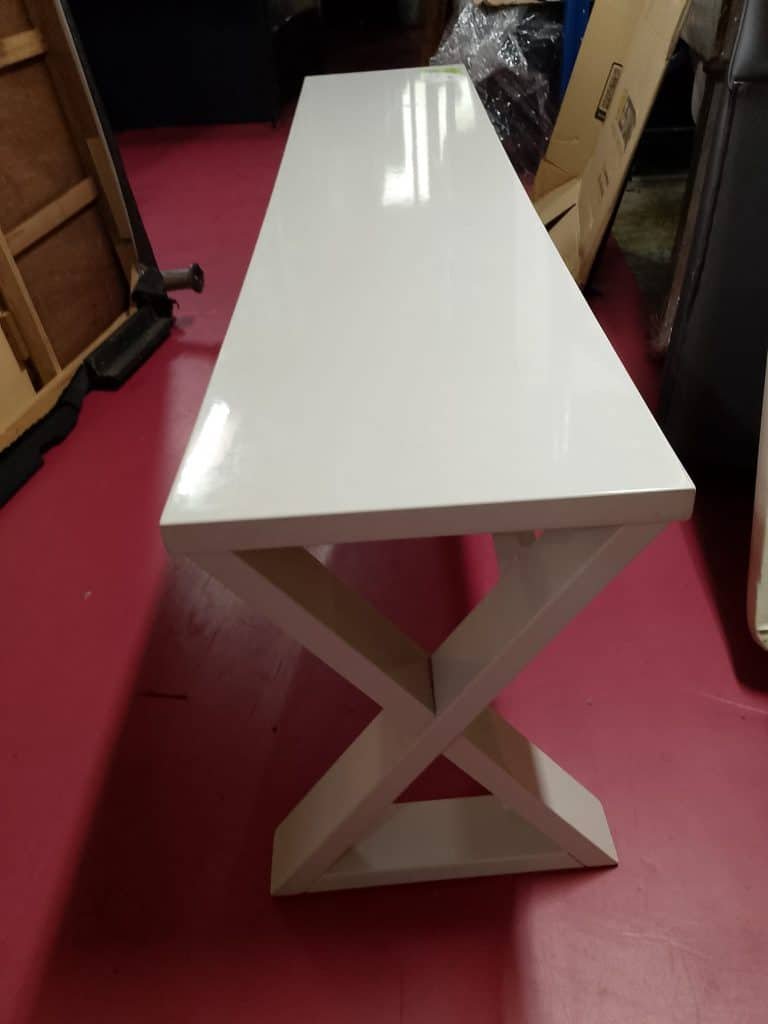
- Dining tables
- Wardrobes
- Coffee tables
- Dressers
- Bookshelves
- Bed frames
- Sideboards
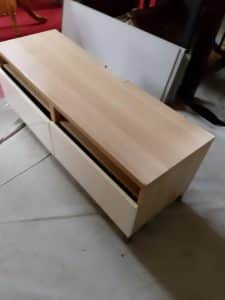
- TV consoles
These projects often provide significant visual impact while remaining manageable for beginners.
DIY Furniture Restoration and Sustainability

Furniture restoration supports sustainable living by reducing waste and extending product lifecycles. Rather than discarding usable furniture, restoration gives existing pieces a second life.
The environmental benefits align closely with the growing awareness of the Impact of Second-Hand Furniture on the Environment, as restoring furniture helps reduce landfill waste, conserve resources, and minimize the demand for new manufacturing.
For environmentally conscious homeowners, restoration represents one of the most practical ways to create a greener home.
Common Mistakes to Avoid
Avoiding common restoration errors helps ensure better results.
Common mistakes include:
- Skipping surface preparation
- Ignoring structural damage
- Using incorrect paint products
- Applying finishes too quickly
- Neglecting protective coatings
- Failing to measure replacement hardware properly
Taking a methodical approach improves both appearance and durability.
Why Start With Quality Second-Hand Furniture
The success of a restoration project often depends on the quality of the furniture being restored.
Second Chance Furniture offers a wide range of quality pre-owned furniture suitable for DIY restoration projects. From wardrobes and dining tables to storage cabinets and bookshelves, buyers can find durable pieces that provide excellent restoration potential.
Starting with well-constructed furniture reduces repair work and increases the likelihood of achieving professional results.
Conclusion: Transform Old Furniture With DIY Furniture Restoration
DIY furniture restoration is an affordable, creative, and sustainable way to transform outdated furniture into beautiful, functional pieces. With the right tools, preparation, and techniques, homeowners can extend the life of existing furniture while creating unique designs that reflect their personal style.
Whether you’re restoring a family heirloom or giving a second-hand find a fresh new look, furniture restoration offers long-term value and environmental benefits. Visit Second Chance Furniture to explore quality furniture from Second Chance Furniture and find the perfect piece for your next DIY restoration project.
FAQs (Frequently Ask Question)
What is DIY furniture restoration?
What furniture is best for restoration projects?
What furniture is best for restoration projects?
Solid wood furniture such as dressers, tables, wardrobes, bookshelves, and cabinets are excellent restoration candidates.
Do I need special tools for furniture restoration?
Basic tools such as sandpaper, paint brushes, wood filler, and sealant are sufficient for many beginner projects.
How can I make a small living room feel bigger?
Is restoring furniture cheaper than buying new furniture?
Where can I find furniture suitable for DIY restoration in Singapore?
Second Chance Furniture offers a variety of quality second-hand furniture that is ideal for DIY restoration and upcycling projects.