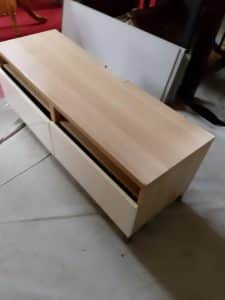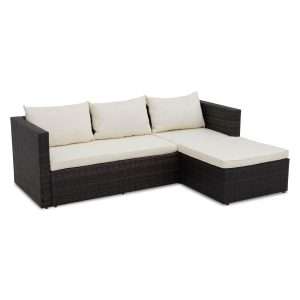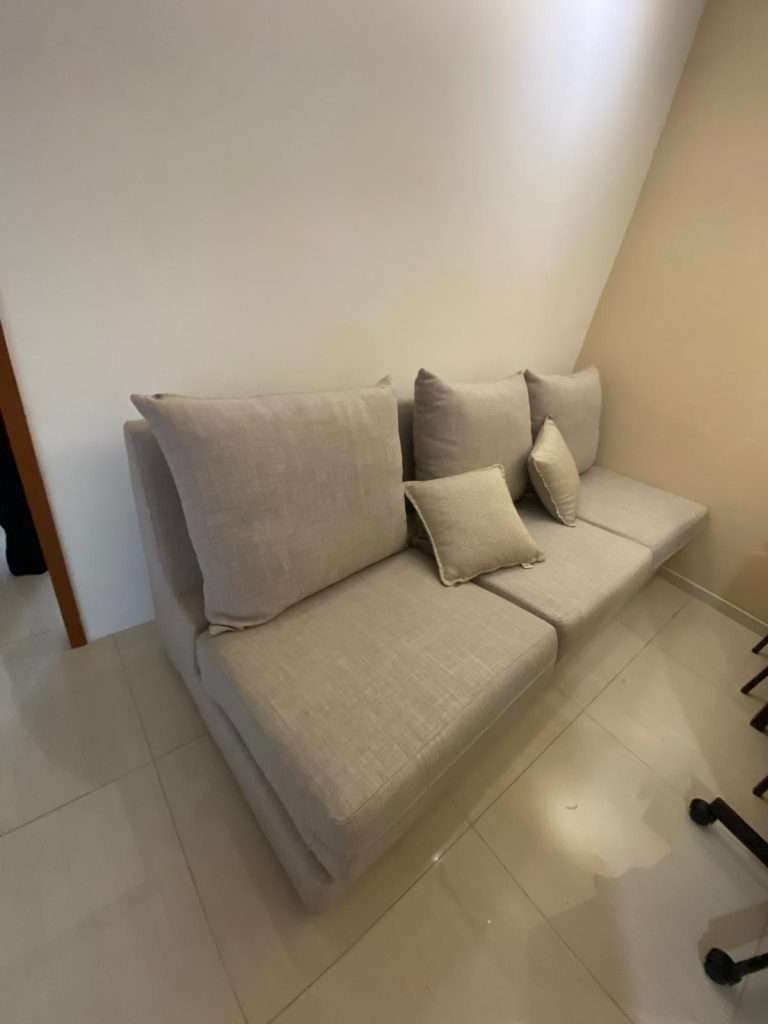
The impact of second-hand furniture on the environment has become a major consideration for homeowners, businesses, and environmentally conscious consumers. As sustainability continues to influence purchasing decisions in 2026, more people are recognizing that buying pre-owned furniture is one of the simplest ways to reduce waste, conserve natural resources, and lower their environmental footprint.
Every piece of second-hand furniture purchased extends the life of an existing product, reducing the demand for new manufacturing and preventing usable items from ending up in landfills. Whether you’re furnishing a new home, renovating an office, or upgrading individual rooms, choosing second-hand furniture benefits both your budget and the planet.
Why Second-Hand Furniture Supports Environmental Sustainability
Second-hand furniture plays an important role in creating a more sustainable, circular economy. Instead of discarding usable furniture, consumers give existing products a second life, reducing unnecessary consumption and waste.
By extending the lifespan of furniture, buyers help reduce the environmental costs associated with manufacturing, transportation, packaging, and disposal. This simple purchasing decision contributes to long-term environmental conservation without sacrificing quality or style.
Environmental Benefits of Buying Second-Hand Furniture
Purchasing second-hand furniture creates positive environmental impacts across multiple areas.
Key benefits include:
- Reduces landfill waste
- Conserves natural resources
- Lowers carbon emissions
- Minimizes demand for new manufacturing
- Reduces energy consumption
- Supports a circular economy
- Encourages responsible consumer habits
Together, these benefits make second-hand furniture an effective solution for individuals seeking more sustainable lifestyles.
Second-Hand Furniture vs New Furniture: Environmental Comparison
Understanding the environmental differences between new and second-hand furniture highlights why pre-owned products are becoming increasingly popular.
| Environmental Factor | Second-Hand Furniture | New Furniture |
|---|---|---|
| Resource Consumption | Very Low | High |
| Manufacturing Emissions | None for resale | High |
| Landfill Contribution | Significantly Reduced | Higher over time |
| Energy Usage | Minimal | High production energy |
| Carbon Footprint | Lower | Higher |
| Sustainability | Excellent | Depends on production practices |
For environmentally conscious buyers, second-hand furniture offers one of the most practical ways to reduce their ecological impact.
Reducing Furniture Waste
Furniture waste remains a growing environmental challenge in many countries. Large items such as sofas, wardrobes, dining tables, and bed frames often occupy valuable landfill space despite remaining structurally sound.
Choosing second-hand furniture helps divert these items from disposal while maximizing their usable lifespan. Every purchase delays unnecessary waste and encourages more responsible consumption.
Pro Tip: Before replacing furniture, consider whether it can be repaired, restored, or repurposed. Extending the life of existing furniture is often the most sustainable choice.
Conserving Natural Resources
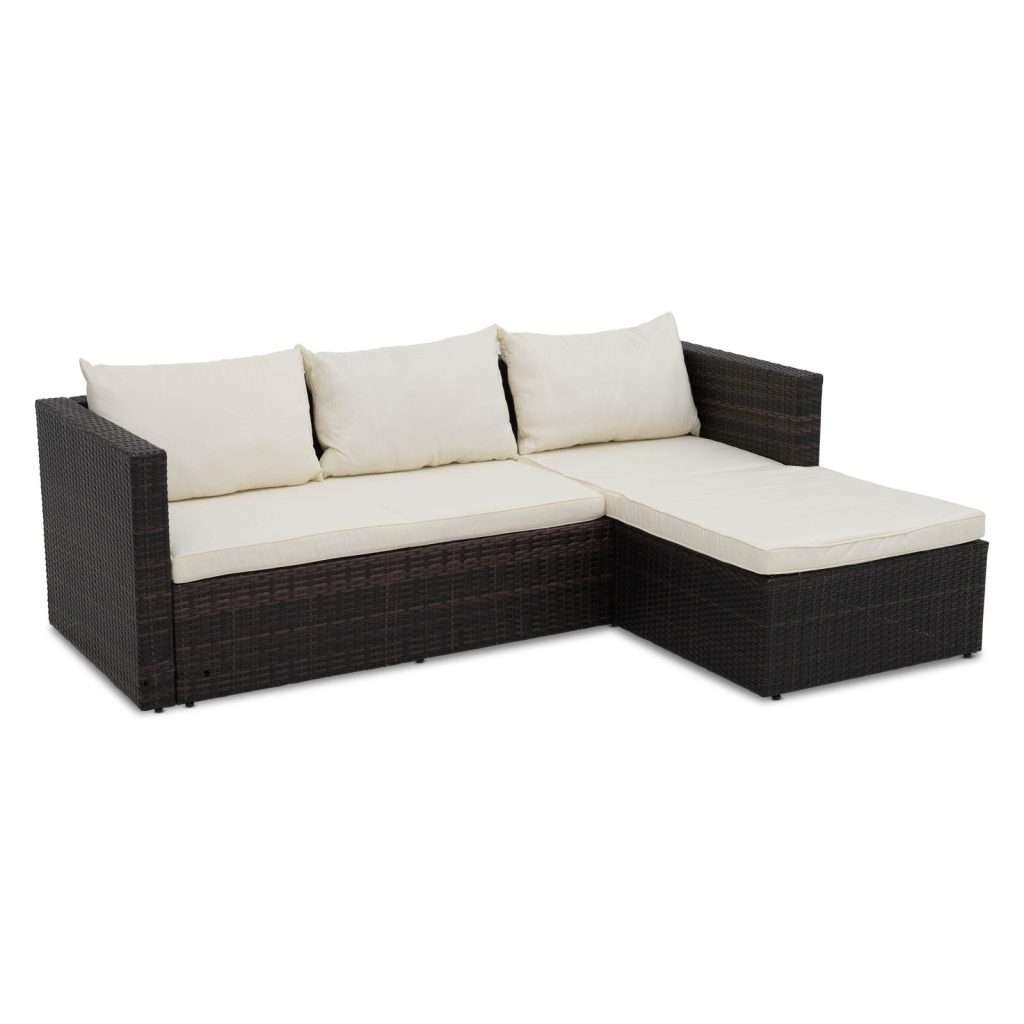
Manufacturing new furniture requires substantial amounts of raw materials, including:
- Timber
- Metal
- Glass
- Plastic
- Fabric
- Foam
- Adhesives
By purchasing second-hand furniture, consumers reduce demand for these materials and help preserve forests, minerals, and other valuable natural resources.
This approach also supports more efficient use of products that have already been manufactured.
Lowering Carbon Emissions
Every stage of new furniture production generates greenhouse gas emissions.
These stages include:
- Resource extraction
- Manufacturing
- Assembly
- Packaging
- International shipping
- Retail distribution
Second-hand furniture bypasses most of these processes, making it a significantly lower-carbon alternative.
As more households embrace sustainable purchasing habits in 2026, second-hand furniture continues to contribute to climate-conscious living.
Supporting a Circular Economy
A circular economy focuses on keeping products in use for as long as possible rather than following the traditional “buy, use, discard” model.
Second-hand furniture supports this approach by:
- Extending product lifecycles
- Encouraging reuse
- Reducing unnecessary production
- Promoting responsible consumption
- Creating long-term value from existing resources
The result is a more sustainable furniture industry that benefits both consumers and the environment.
Choosing High-Quality Furniture That Lasts
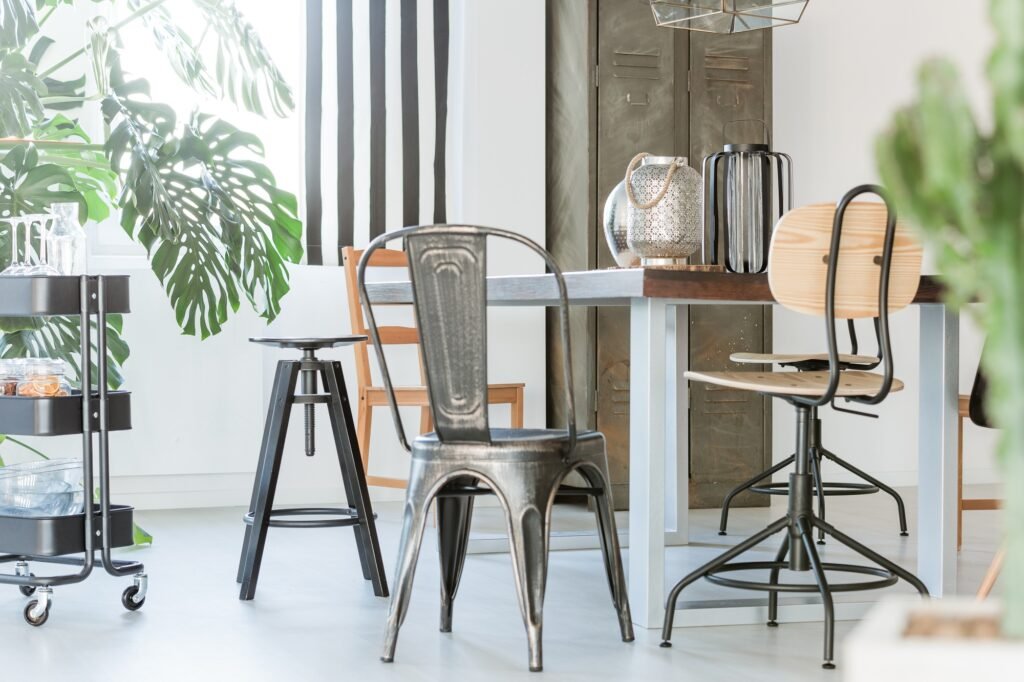
Environmental sustainability isn’t only about purchasing used furniture—it’s also about choosing durable products that remain functional for many years.
Well-built furniture made from quality materials typically:
- Requires fewer replacements
- Produces less waste
- Offers better long-term value
- Maintains structural integrity longer
This is why investing in durable second-hand furniture often has a greater environmental benefit than frequently replacing inexpensive furniture.
Vintage Furniture: Sustainable and Timeless
Vintage furniture combines sustainability with unique design. Many older furniture pieces were crafted using high-quality materials and construction techniques that remain durable today.
If you’re interested in selecting timeless pre-owned pieces, following a vintage furniture buying guide can help you identify quality craftsmanship, assess condition, and choose furniture that complements your home’s style while supporting environmentally responsible purchasing.
How Consumers Can Make More Sustainable Furniture Choices
Creating a more sustainable home doesn’t require replacing every piece of furniture at once. Small, thoughtful purchasing decisions can make a meaningful difference over time.
Practical tips include:
- Buy quality second-hand furniture
- Repair instead of replacing
- Donate usable furniture
- Repurpose older pieces
- Purchase only what you truly need
- Choose durable materials
These habits reduce waste while helping consumers save money over the long term.
Why Buy From a Trusted Second-Hand Furniture Supplier
Working with a reputable furniture retailer ensures that pre-owned furniture meets quality expectations while offering better value.
Second Chance Furniture carefully selects quality second-hand furniture suitable for homes, offices, rental properties, and commercial spaces. Customers can explore a wide range of furniture that combines affordability, durability, and sustainability.
Choosing an established supplier also provides greater confidence when purchasing larger furniture items.
Common Misconceptions About Second-Hand Furniture
Many buyers hesitate because of outdated assumptions about used furniture.
Common myths include:
- Used furniture lacks durability.
- Second-hand furniture is outdated.
- Pre-owned furniture is difficult to
- maintain.
- Used furniture has limited style options.
In reality, many second-hand pieces remain in excellent condition and offer timeless designs, premium craftsmanship, and exceptional value.
Why Sustainable Furniture Choices Matter in 2026
Sustainability is no longer a niche concern—it has become an important factor in home furnishing decisions. Choosing second-hand furniture allows consumers to reduce environmental impact while creating beautiful, functional living spaces.
Every purchase contributes to waste reduction, resource conservation, and a more circular economy, making it one of the easiest ways to adopt environmentally responsible habits.
Conclusion: Make a Positive Environmental Impact With Second-Hand Furniture
The impact of second-hand furniture on the environment extends far beyond individual purchases. By choosing pre-owned furniture, consumers help reduce landfill waste, conserve natural resources, lower carbon emissions, and support sustainable consumption.
Whether you’re furnishing a home, office, or rental property, buying second-hand furniture is a practical investment that benefits both your finances and the planet. Explore the wide range of quality pre-owned furniture at Second Hand Furniture and discover how Second Chance Furniture can help you create a stylish, affordable, and environmentally responsible space in 2026.
FAQs (Frequently Ask Question)
How does second-hand furniture help the environment?
It reduces landfill waste, conserves natural resources, and lowers carbon emissions by extending the life of existing furniture.
Is buying second-hand furniture more sustainable than buying new?
Yes. Purchasing used furniture reduces the need for new manufacturing and supports a circular economy.
Does second-hand furniture reduce carbon emissions?
Yes. It avoids the emissions associated with producing, packaging, and transporting new furniture.
Why is durable furniture better for sustainability?
Durable furniture lasts longer, reducing replacement frequency and minimizing waste over time.
Where can I buy quality second-hand furniture in Singapore?
Second Chance Furniture offers a wide selection of affordable, high-quality second-hand furniture for homes and offices.