Sustainable furniture trends in Singapore are evolving in 2026 as homeowners, businesses, and designers place greater emphasis on reuse, circular design, responsible materials, durability, and healthier indoor environments. Instead of simply choosing furniture labelled “eco-friendly,” consumers are increasingly considering how furniture is produced, used, maintained, repaired, and eventually reused.
Singapore’s wider sustainability strategy also supports this shift. The Singapore Green Plan 2030 continues to promote a circular economy where reducing consumption, reusing products, and recycling materials become increasingly important.
For furniture buyers, this means sustainable choices can include buying quality second-hand furniture, selecting durable products, choosing responsibly sourced materials, repairing existing pieces, and avoiding unnecessary replacements.
What Are Sustainable Furniture Trends in Singapore?
Sustainable furniture trends in Singapore are design and purchasing practices that aim to reduce resource consumption, extend furniture lifespans, minimise waste, and improve environmental and indoor-health outcomes. In 2026, the strongest trends combine circularity with practical design, durability, multifunctionality, and responsible material choices.
Sustainability is therefore broader than simply purchasing furniture made from recycled materials. A well-maintained second-hand table that remains in use for many years can also be part of a more circular furniture system.
Why Is Sustainable Furniture Becoming More Important in Singapore?
Sustainable furniture is becoming increasingly relevant because Singapore has limited land for waste disposal and is working toward a more circular economy. The government has set a target to improve the overall recycling rate to 70% by 2030 while reducing the amount of waste sent to landfill.
Furniture reuse fits naturally into this approach because usable tables, chairs, sofas, wardrobes, and other household items can potentially remain in circulation rather than being discarded.
The National Environment Agency also provides channels for furniture donation, resale, and repair, reinforcing reuse as a practical option for extending product life.
7 Sustainable Furniture Trends in Singapore for 2026
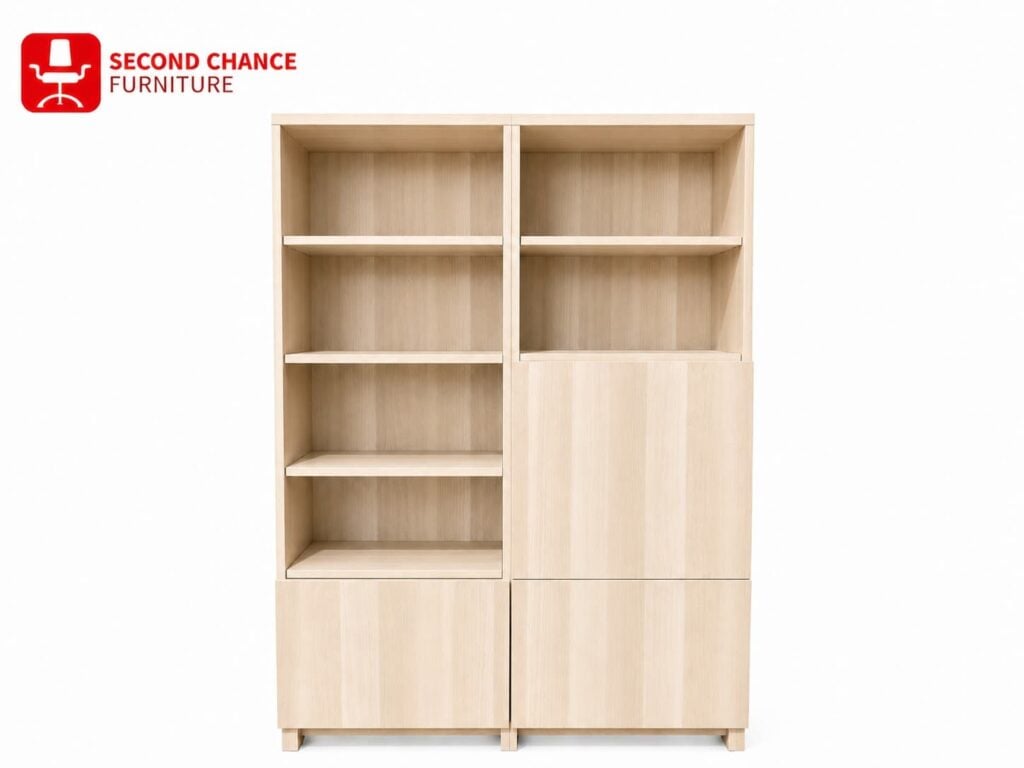
The sustainability movement is influencing both what furniture businesses produce and what consumers choose to buy. These are some of the most relevant trends to watch in Singapore.
1. Second-Hand and Pre-Loved Furniture
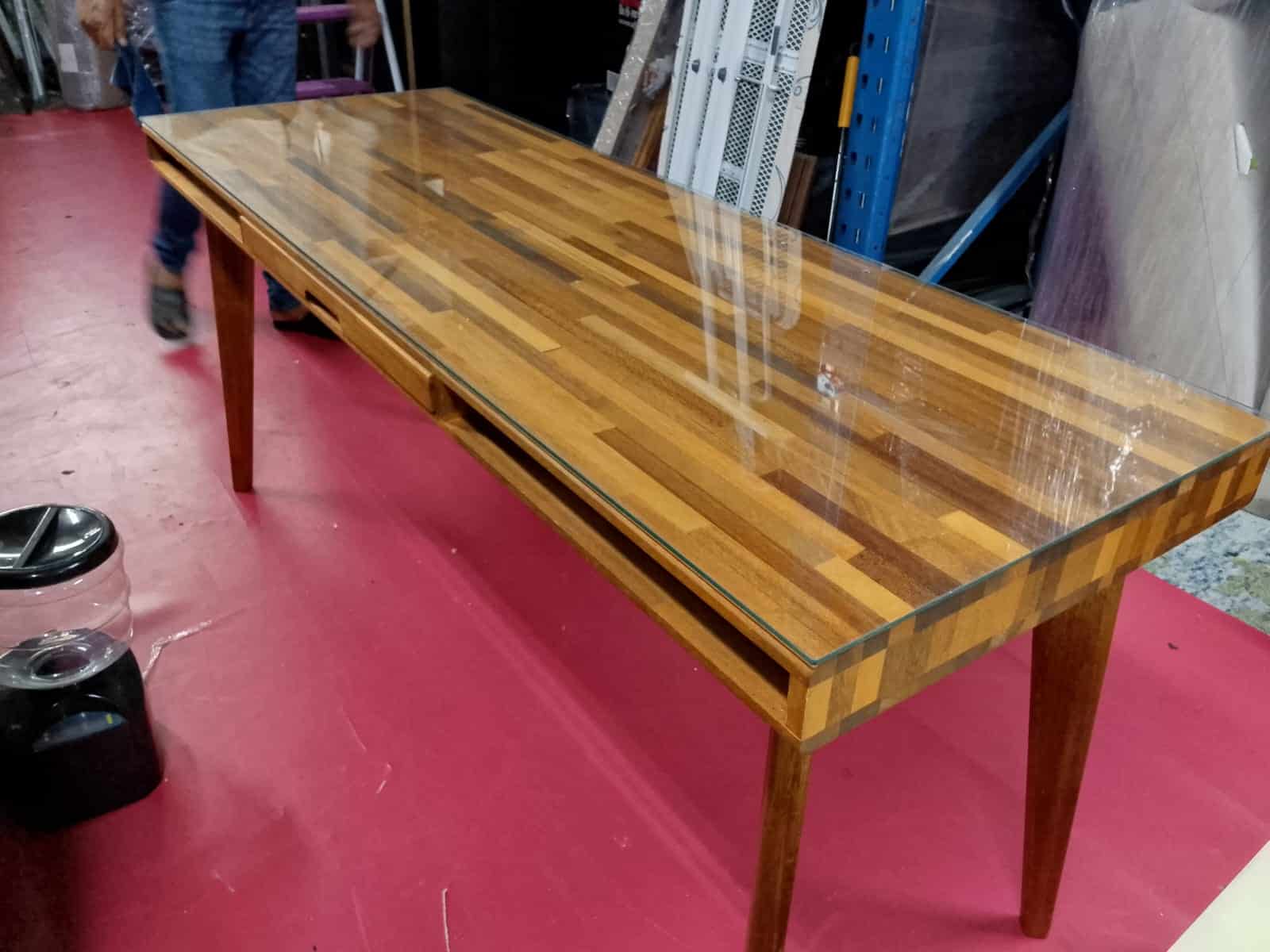
Second-hand furniture remains one of the most straightforward ways to extend the useful life of existing products. Instead of purchasing a newly manufactured item, buyers can give a previously owned sofa, table, cabinet, chair, or wardrobe another useful lifecycle.
The benefit is particularly relevant when the furniture is structurally sound and suitable for continued use.
Second-hand furniture can also provide:
- Lower upfront costs
- More distinctive designs
- Access to older, durable pieces
- Opportunities for restoration
- Less demand for immediate replacement
Second Chance Furniture supports this reuse-focused approach by offering pre-owned furniture for consumers looking for practical furnishing solutions.
2. Circular Furniture Design
Circular design considers what happens to furniture throughout its entire lifecycle. Instead of designing products only for initial use, manufacturers and designers increasingly consider repairability, durability, material recovery, reuse, and eventual recycling.
This can involve:
- Replaceable components
- Modular construction
- Durable materials
- Repairable joints
- Reduced material waste
- Designs that can be disassembled
Circularity is becoming increasingly relevant to Singapore’s furniture industry as businesses prepare for a more resource-efficient future.
3. Reclaimed and Recycled Materials
Furniture made with reclaimed timber, recycled plastics, recycled metals, and other recovered materials continues to attract consumers interested in reducing dependence on virgin resources.
Reclaimed wood can also provide a distinctive appearance because its previous use often creates natural variations, marks, and textures.
However, material claims should be evaluated carefully. A furniture product being made partly from recycled material does not automatically mean its entire lifecycle is environmentally preferable.
4. Multifunctional and Space-Saving Furniture
Multifunctional furniture is particularly useful in compact Singapore homes and apartments. Furniture that performs more than one function can reduce the number of separate items needed within a room.
Examples include:
- Sofa beds
- Storage benches
- Extendable dining tables
- Modular shelving
- Desks with integrated storage
- Ottomans with compartments
Choosing furniture that adapts to changing needs can reduce the likelihood of replacing it when a household’s requirements change.
5. Repair, Restoration and Upcycling
Repair and restoration are becoming increasingly important components of sustainable furniture consumption. A scratched table, worn cabinet, or dated chair does not necessarily need to be discarded if its structure remains sound.
Upcycling can give furniture a new appearance or function through:
- Refinishing
- Repainting
- Reupholstering
- Replacing hardware
- Repairing joints
- Repurposing components
This trend connects closely with the growing interest in DIY furniture projects and creative restoration.
6. Lower-Emission and Health-Conscious Furniture
Sustainability is increasingly being considered alongside indoor air quality. Furniture materials, coatings, adhesives, and finishes can influence indoor emissions, making material selection important for both environmental and health considerations.
The Singapore Furniture Industries Council announced an Enhanced Sustainability Furniture Mark in 2025, with accreditation planned to begin in 2026. The enhanced framework expands attention beyond formaldehyde to include total volatile organic compounds (TVOCs), alongside broader sustainability considerations.
This development shows how sustainable furniture in Singapore is increasingly being evaluated through both environmental and indoor-health criteria.
7. Timeless Furniture Over Short-Lived Trends
Choosing timeless furniture can be a sustainability strategy because products that remain visually and functionally relevant for longer may be less likely to be replaced simply because styles change.
Classic shapes, neutral finishes, durable construction, and adaptable designs can work across different interior styles.
The growing interest in vintage and pre-owned furniture also supports this idea: older furniture can become relevant again when integrated thoughtfully into contemporary spaces.
Sustainable Furniture Trends: New vs Second-Hand Furniture
Not every sustainable furniture choice looks the same. Both new and second-hand furniture can have sustainability advantages depending on materials, construction, durability, transportation, maintenance, and how long the product remains in use.
| Factor | New Sustainable Furniture | Second-Hand Furniture |
|---|---|---|
| Product age | New | Previously owned |
| Material choices | Can use certified/recycled materials | Existing materials are reused |
| Product lifespan | Depends on construction | Can be extended through reuse |
| Customisation | Often available | Restoration/upcycling possible |
| Upfront price | Varies | Often lower |
| Circular benefit | Depends on design | Directly supports reuse |
| Best approach | Choose durable, responsible products | Choose sound, repairable pieces |
The most sustainable option depends on the individual product rather than simply whether it is new or used.
How to Choose Sustainable Furniture in Singapore
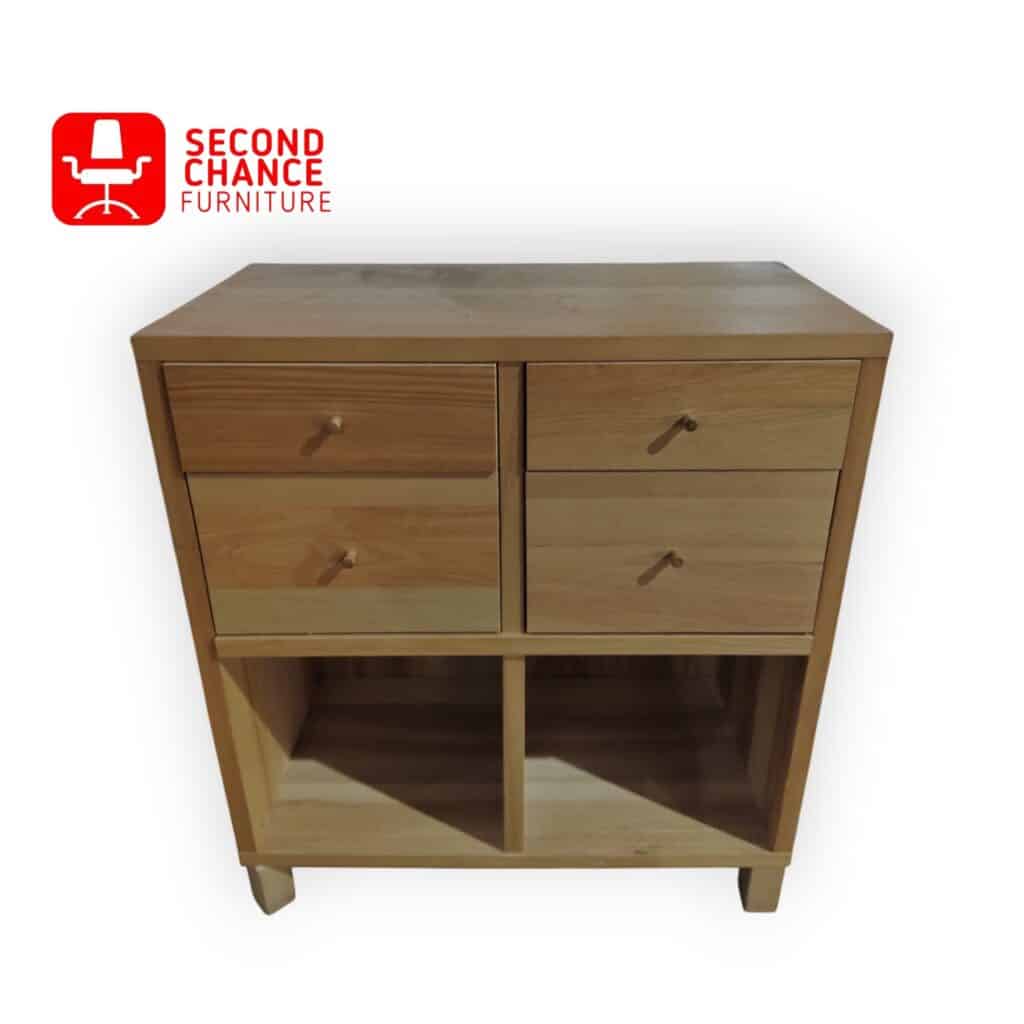
A sustainable furniture purchase should balance environmental considerations with quality, functionality, safety, and longevity. A product that looks eco-friendly but needs replacement after a short period may not provide the same long-term value as a durable piece that remains useful for years.
Before buying, consider:
- Durability — Is it built to withstand regular use?
- Materials — Are the materials clearly identified?
- Repairability — Can damaged components be repaired or replaced?
- Functionality — Will the furniture meet your needs for several years?
- Size — Is it appropriate for your home?
- Maintenance — Can it be cleaned and maintained easily?
- Reuse potential — Could another person use it if you no longer need it?
Pro Tip: Don’t choose furniture solely because it has a “green” label. Look for evidence of durability, responsible materials, repairability, recognised certifications where relevant, and a realistic long-term use case.
What Certifications Can Singapore Furniture Buyers Look For?
Certifications can make sustainability claims easier to evaluate, although consumers should understand what each certification actually covers.
The Singapore Green Labelling Scheme includes a furniture and fittings category covering products such as chairs, tables, cabinets, bookshelves, wardrobes, sofas, and partitions. Its criteria include environmental management and restrictions on certain hazardous substances and materials.
The Sustainability Furniture Mark is another relevant industry initiative. SFIC’s current framework addresses areas including formaldehyde and TVOC emissions and provides a way for participating furniture products and companies to demonstrate compliance with specified criteria.
For buyers, the important principle is simple: check what a certification actually measures rather than treating every environmental claim as equivalent.
How Second-Hand Furniture Supports Sustainable Living
Second-hand furniture directly supports the reuse principle by keeping existing products in circulation. Singapore’s official reuse guidance includes furniture such as sofas, beds, tables, and chairs among products that can be donated or resold when appropriate.
Choosing pre-owned furniture can therefore be particularly useful when:
- The item remains structurally sound
- Its design suits your home
- It requires only minor restoration
- Its dimensions fit your space
- You intend to keep using it for a long time
Second Chance Furniture offers pre-owned furniture options that can help consumers incorporate reuse into their furnishing decisions.
Safety Still Matters When Buying Sustainable Furniture
Sustainability should never come at the expense of safety. A used or refurbished furniture item should be inspected for structural damage, unstable components, sharp edges, missing hardware, and other potential hazards before purchase.
When buying second-hand furniture, also consider its intended use, condition, age, previous repairs, and suitability for your household.
For a more detailed checklist, read our guide on safety standard for second hand furniture before making a purchase.
How to Make Your Home More Sustainable With Furniture
You do not need to replace every item in your home to follow sustainable furniture trends in Singapore. Small, practical changes can gradually reduce unnecessary consumption.
Try to:
- Repair furniture before replacing it
- Buy second-hand when appropriate
- Choose durable materials
- Select multifunctional pieces
- Avoid impulse purchases
- Donate or resell furniture you no longer need
- Maintain furniture properly
- Consider refurbishment before disposal
This approach creates a more flexible and circular furnishing strategy.
What Will Sustainable Furniture Look Like in the Future?
The future of sustainable furniture in Singapore is likely to combine circularity, technology, responsible materials, repairability, and better information for consumers. The Singapore Furniture Industries Council’s 2026–2030 industry roadmap also places innovation and technology at the centre of the industry’s next phase.
At the same time, furniture design trends are continuing to combine sustainability with aesthetics. Recent 2026 design coverage highlights recycled materials, modular approaches, and resource-conscious design alongside contemporary styling.
This suggests sustainability is increasingly becoming part of mainstream furniture design rather than a separate niche.
Conclusion: Embrace Sustainable Furniture Trends in Singapore
The most important sustainable furniture trends in Singapore for 2026 are centred on longer product lifecycles, second-hand furniture, circular design, reclaimed and recycled materials, multifunctionality, repair, upcycling, and improved attention to indoor air quality.
For consumers, sustainable furnishing does not require sacrificing style or practicality. Buying fewer but better pieces, reusing existing furniture, repairing damaged items, and selecting products designed for longevity can all contribute to a more circular lifestyle.
If you’re looking for quality pre-owned furniture in Singapore, explore Second Chance Furniture and discover practical ways to furnish your home while giving existing furniture a second life. Visit Second Chance Furniture to explore available furniture and sustainable furnishing options.
FAQs (Frequently Ask Question)
What are the main sustainable furniture trends in Singapore in 2026?
Key trends include second-hand furniture, circular design, reclaimed materials, multifunctional furniture, restoration, and lower-emission products.
Is second-hand furniture sustainable?
Yes. Reusing suitable furniture can extend its lifespan and reduce the need for immediate replacement with newly produced furniture.
What sustainable furniture is best for small Singapore homes?
Multifunctional, modular, compact, and storage-focused furniture can maximise space while reducing the need for multiple pieces.
What certifications can I look for when buying sustainable furniture?
Singapore buyers can look for relevant schemes such as the Singapore Green Labelling Scheme and Sustainability Furniture Mark.
How can I make my furniture more sustainable?
Maintain, repair, restore, reuse, donate, or resell furniture instead of replacing usable pieces unnecessarily.