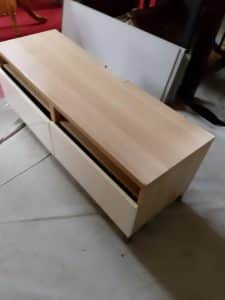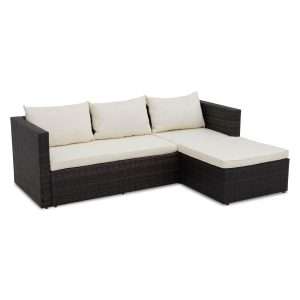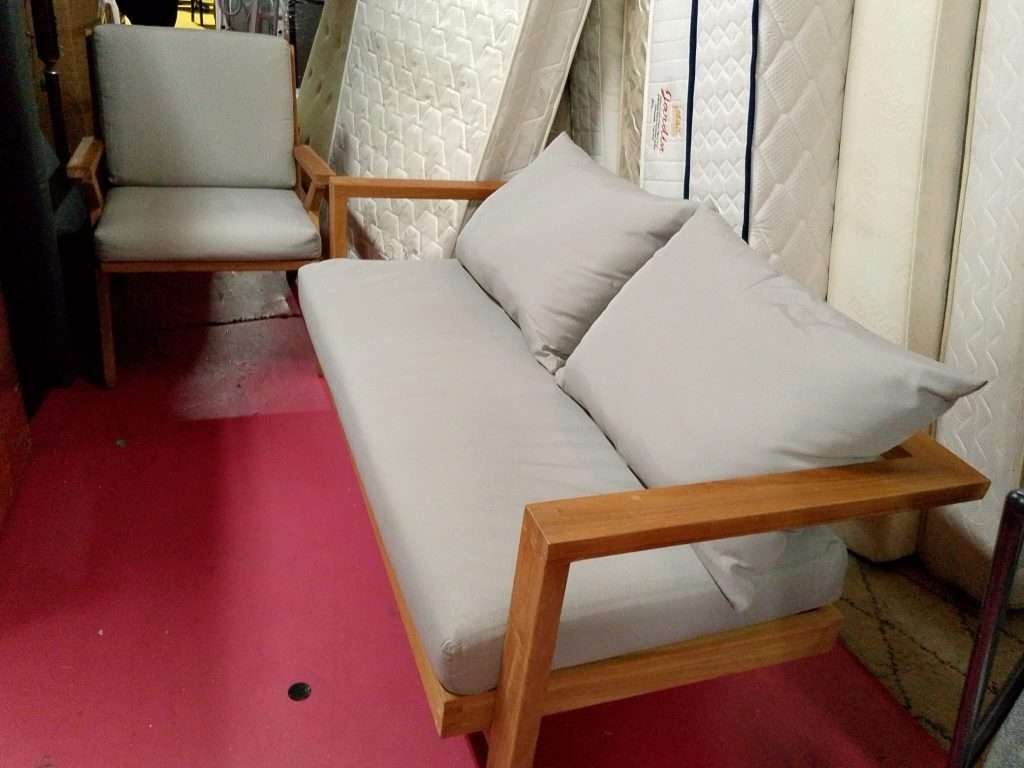
Second-Hand Furniture Innovations are changing how people buy, restore, reuse, and think about pre-owned furniture. In 2026, innovation is no longer limited to creating new furniture designs; it also includes refurbishment, modularity, digital resale, multifunctional products, and business models that keep furniture in use for longer.
The second-hand furniture market is benefiting from stronger interest in circular consumption and digital resale. One 2026 market analysis estimates the global second-hand furniture market could grow from about USD 49.46 billion in 2026 to USD 62.66 billion by 2031, reflecting continued interest in affordability, reuse, and circular-economy practices.
What Are Second-Hand Furniture Innovations?
Second-Hand Furniture Innovations refer to new approaches that improve how used furniture is collected, evaluated, repaired, redesigned, sold, and reused. These innovations make pre-owned furniture more accessible while increasing its functional, economic, and environmental value.
The concept extends beyond simply reselling an old table or sofa. It includes refurbishment services, modular furniture, digital marketplaces, repair techniques, creative upcycling, and circular business models designed to keep furniture useful for longer.
Why Second-Hand Furniture Innovation Matters in 2026
Innovation is helping transform second-hand furniture from a traditional resale category into an important part of the circular economy. Recent research highlights furniture reuse as a way to extend product lifespans while delivering environmental, economic, and social benefits.
Several factors are driving this change:
- Growing demand for affordable furniture
- Greater awareness of sustainable consumption
- Growth of online resale platforms
- Improved refurbishment techniques
- Interest in flexible and multifunctional furniture
- Increasing focus on repair and reuse
Together, these developments make second-hand furniture more attractive to modern consumers.
Key Second-Hand Furniture Innovations to Watch
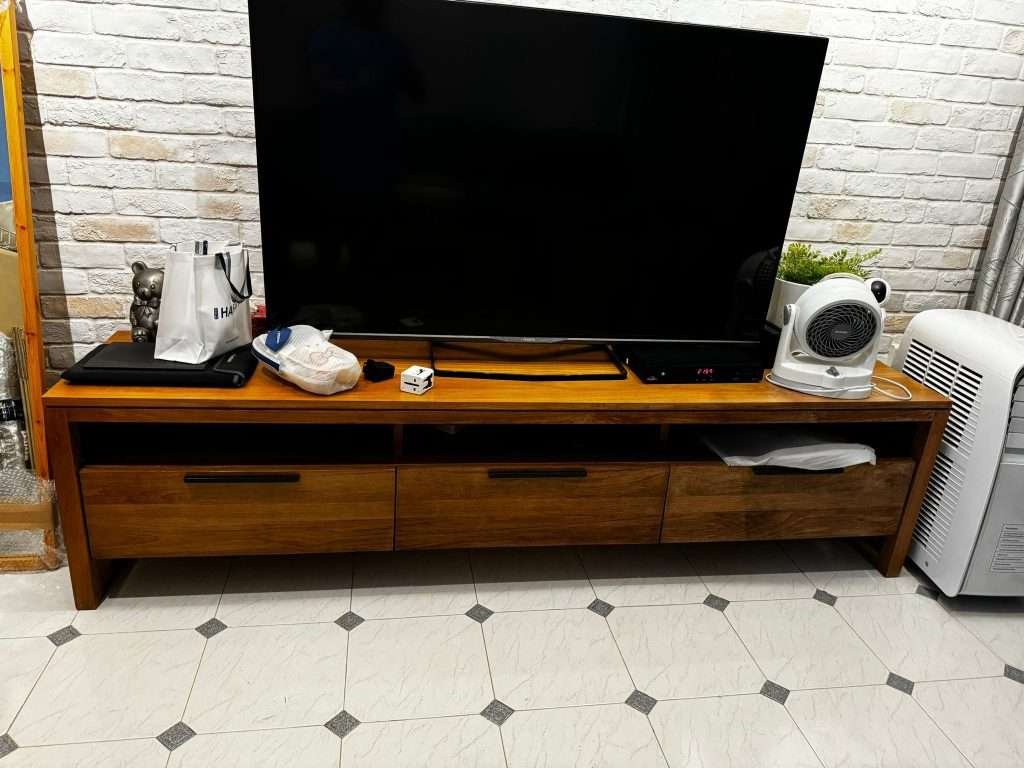
Today’s innovations cover the entire furniture lifecycle, from initial design through resale and refurbishment. The most important developments focus on making furniture easier to reuse, adapt, maintain, and resell.
Digital Resale and Better Product Discovery
Digital platforms are making it easier to discover, compare, purchase, and arrange delivery for bulky second-hand furniture. Better product photography, detailed descriptions, digital payments, and integrated logistics are helping remove some of the traditional friction associated with buying used furniture.
This shift is particularly valuable for consumers who want to compare multiple options before visiting a physical retailer.
Professional Refurbishment
Refurbishment is becoming an increasingly important part of the second-hand furniture ecosystem. Instead of selling furniture exactly as received, businesses can inspect, clean, repair, refinish, and restore suitable pieces before resale.
Professional refurbishment can improve:
- Appearance
- Structural condition
- Functionality
- Durability
- Buyer confidence
It also helps prevent usable furniture from being discarded simply because of cosmetic imperfections.
Modular and Adaptable Furniture
Modular furniture is another important innovation because individual components can be rearranged, replaced, or reused as needs change. This approach can make furniture more adaptable to smaller homes, changing family requirements, and evolving workspaces.
Modularity also creates opportunities for extending the useful life of individual components rather than replacing an entire furniture item.
Multifunctional Furniture
Space-efficient furniture is increasingly relevant to urban households. Pieces that combine storage, seating, sleeping, or working functions can provide greater value in smaller spaces.
Second-hand buyers can benefit from finding adaptable pieces such as:
- Storage benches
- Convertible tables
- Modular sofas
- Cabinet systems
- Foldable desks
- Multi-purpose shelving
These products can be particularly useful where floor space is limited.
Creative Upcycling and Restoration
Upcycling transforms existing furniture into something with a different appearance or function. A dated cabinet can become a modern storage unit, while an old table can be refinished and integrated into a contemporary interior.
For homeowners interested in hands-on projects, DIY furniture restoration offers practical ways to repair, refinish, repaint, and personalize pre-owned furniture instead of replacing it.
Second-Hand Furniture Innovations vs Traditional Resale
Modern innovations are changing the second-hand buying experience in several important ways.
| Factor | Traditional Second-Hand Resale | Innovative Second-Hand Furniture |
|---|---|---|
| Condition | May vary significantly | Often inspected or refurbished |
| Product Information | Basic descriptions | More detailed information |
| Design | Sold largely as-is | May be restored or redesigned |
| Functionality | Original purpose | Can be adapted or repurposed |
| Buying Experience | Primarily physical | Increasingly digital and omnichannel |
| Sustainability | Reuse-focused | Reuse, repair, refurbishment and circularity |
| Flexibility | Limited | Greater opportunities for adaptation |
The key difference is that innovation adds value to furniture without necessarily requiring completely new production.
Circular Furniture Models Are Expanding
Circular furniture models aim to keep products and materials in use for as long as possible. Reuse is one of the highest-value strategies because it allows an existing product to continue serving its original purpose without immediately requiring recycling or disposal.
A 2026 study of circular furniture services identified price, environmental considerations, and service convenience as important priorities when developing improved circular furniture transactions.
This means future second-hand furniture businesses are likely to focus not only on selling products but also on making the entire reuse process easier.
Repair, Refurbishment and Reuse Are Becoming More Connected
The future of second-hand furniture is increasingly built around multiple circular strategies working together. Furniture can be collected, assessed, repaired, refurbished, resold, and eventually dismantled for parts or recycling when it reaches the end of its useful life.
This creates a hierarchy of value:
- Maintain the furniture
- Repair damaged components
- Refurbish its appearance or functionality
- Resell or donate it
- Repurpose usable components
- Recycle remaining materials
Keeping furniture in use for as long as possible generally preserves more of its existing value than immediately disposing of it.
2026 Furniture Design Trends Influencing Second-Hand Buyers
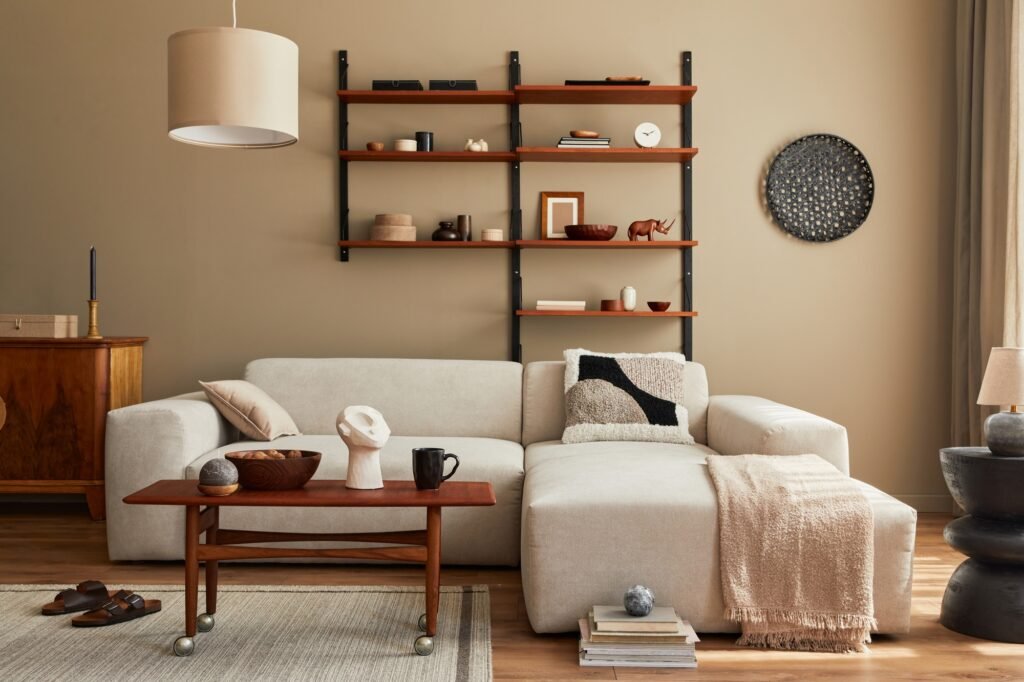
Second-hand furniture does not exist separately from wider interior design trends. Current 2026 design coverage points toward softer silhouettes, sculptural forms, darker wood tones, craftsmanship, natural textures, and furniture with more personality.
This creates an advantage for second-hand shoppers because older furniture can naturally fit several of these trends.
Vintage and pre-owned pieces can add:
- Character
- Natural materials
- Unique craftsmanship
- Rich wood tones
- Retro-inspired details
- Visual contrast
Instead of trying to make every piece look new, homeowners can increasingly embrace its original character.
Pro Tip: Don’t judge second-hand furniture only by its current finish. Look at its frame, materials, proportions, and construction first. A strong piece with an outdated surface can often be transformed more easily than a poorly built new item.
How Second-Hand Furniture Innovations Benefit Consumers
Innovation makes buying used furniture more convenient and reduces some of the risks traditionally associated with second-hand purchases.
Consumers can benefit from:
- Better product selection
- More reliable condition information
- Professional refurbishment
- Greater design variety
- Lower furniture costs
- More flexible furniture solutions
- Reduced environmental impact
For budget-conscious homeowners, these improvements can make quality pre-owned furniture a practical alternative to buying everything new.
How Businesses Benefit From Furniture Reuse
Second-hand furniture innovations are also relevant to offices, landlords, retailers, hospitality businesses, and other organizations. Businesses can reduce furnishing costs while supporting more circular procurement practices.
For example, refurbished desks, chairs, storage units, and meeting-room furniture can provide functional solutions without requiring an entirely new furniture inventory.
Circular furniture models can also create additional opportunities for collection, repair, refurbishment, logistics, and resale services.
Choosing Quality Second-Hand Furniture in 2026
Innovation does not eliminate the importance of careful buying. Consumers should still evaluate the structural condition, materials, dimensions, functionality, and overall suitability of every used furniture piece.
Before purchasing, check:
- Frame stability
- Surface and upholstery condition
- Doors, drawers, and hinges
- Signs of moisture or pest damage
- Dimensions
- Repair history where available
- Delivery requirements
A lower price is only valuable when the furniture is suitable for long-term use.
Why Second-Hand Furniture Innovations Support a More Circular Future
The biggest opportunity is not simply selling more used furniture. It is creating a system where furniture remains useful for longer through maintenance, repair, refurbishment, resale, and creative reuse.
Research published in 2026 emphasizes that furniture reuse can generate benefits beyond environmental and economic outcomes, including wider social value.
This broader perspective positions second-hand furniture as an important part of a more resource-efficient future.
Explore Second-Hand Furniture Innovations With Second Chance Furniture
Second Chance Furniture helps consumers discover practical ways to furnish their spaces with quality pre-owned furniture. From everyday household pieces to distinctive furniture with character, second-hand options can combine affordability, functionality, and sustainability.
As the market continues to evolve, the value of pre-owned furniture increasingly comes from more than its lower price. Better refurbishment, creative restoration, flexible designs, and improved resale experiences are making used furniture a smarter choice for modern homes and businesses.
Conclusion: The Future of Second-Hand Furniture Is More Innovative
Second-Hand Furniture Innovations are reshaping the furniture industry by combining reuse with refurbishment, digital resale, modular design, multifunctionality, and circular business models. These developments make pre-owned furniture more accessible while helping extend product lifecycles and reduce unnecessary waste.
For consumers, the result is greater choice, better value, and more opportunities to create distinctive interiors without relying entirely on newly manufactured furniture.
Explore quality pre-owned furniture and discover practical, sustainable furnishing solutions at Second Chance Furniture. With Second Chance Furniture, giving furniture a second life can be both a smart financial decision and a meaningful step toward more circular consumption.
FAQs (Frequently Ask Question)
What are Second-Hand Furniture Innovations?
They are new approaches to buying, restoring, refurbishing, repurposing, and reselling used furniture.
How do innovations improve second-hand furniture?
They can improve furniture quality, functionality, appearance, accessibility, and the overall buying experience.
Is refurbished furniture environmentally friendly?
Yes. Refurbishing extends furniture’s useful life and can reduce waste and the demand for new furniture production.
Can old furniture be customized?
Yes. Painting, refinishing, repairing, and repurposing can transform second-hand furniture to suit modern interiors.
Where can I find quality second-hand furniture in Singapore?
Second Chance Furniture offers a range of pre-owned furniture suitable for homes, offices, and various interior styles.