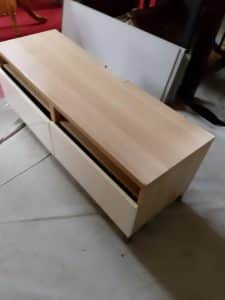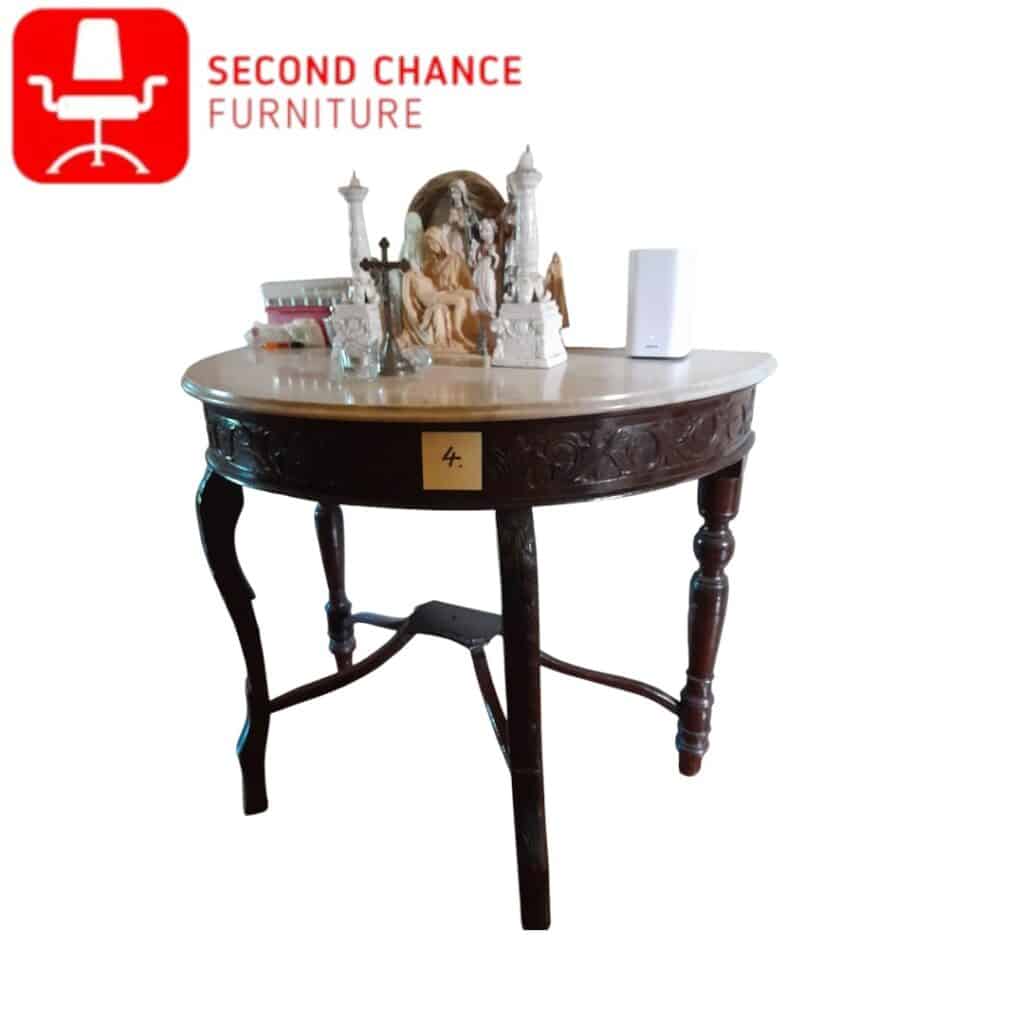
Vintage furniture has become increasingly popular among homeowners, interior designers, and collectors because it combines timeless aesthetics, quality craftsmanship, and sustainability. If you’re searching for a vintage furniture buying guide, understanding how to identify authentic pieces, evaluate their condition, and choose furniture that suits your lifestyle is the first step toward making a smart investment.
Vintage furniture generally refers to furniture that is between 20 and 100 years old. Unlike modern mass-produced furniture, many vintage pieces were built using superior materials, traditional joinery techniques, and durable craftsmanship that allow them to remain functional for decades. In Singapore, vintage and second hand furniture have become attractive options for HDB owners, condominium residents, businesses, and anyone seeking unique furniture with character.
Whether you’re decorating your first apartment or expanding an existing collection, this guide will help you confidently navigate the vintage furniture market.
What Makes Vintage Furniture Different?
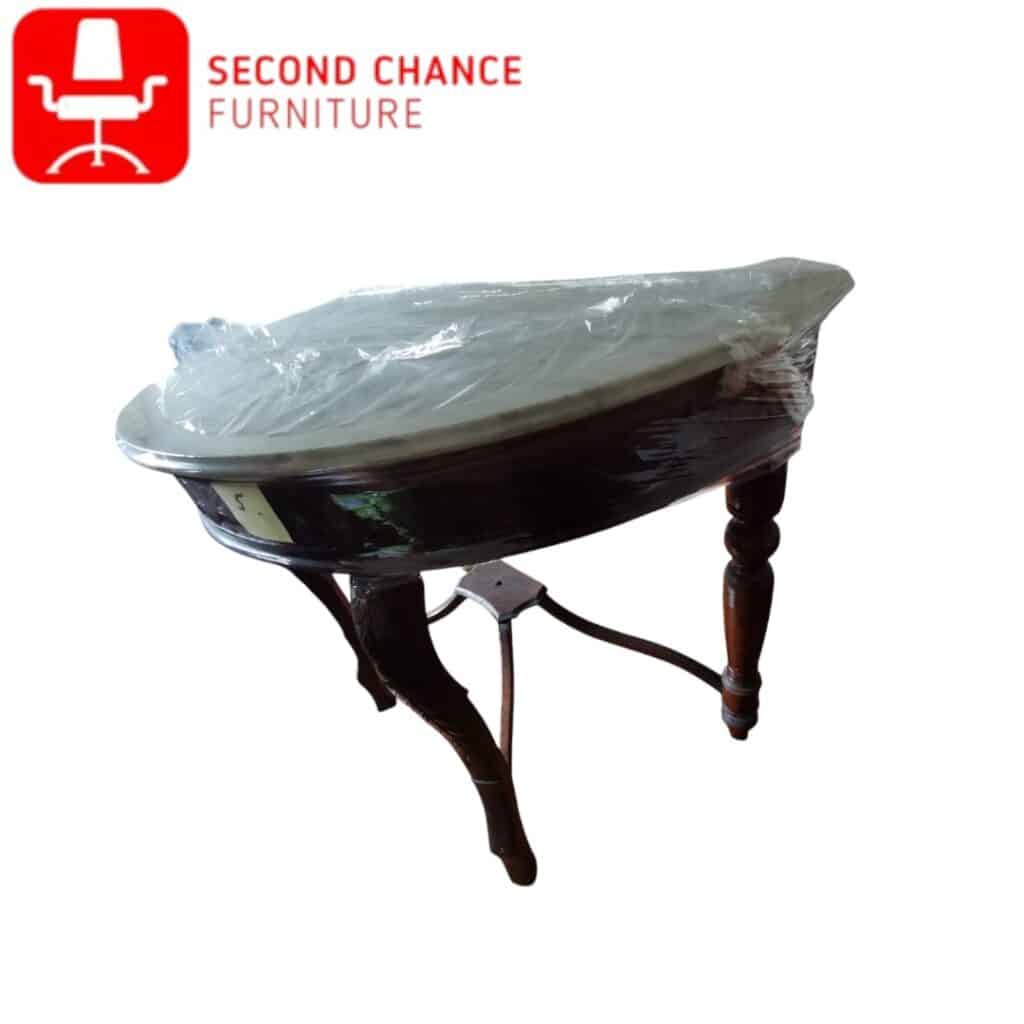
Many people confuse vintage, antique, and second hand furniture, but they have distinct meanings.
| Furniture Type | Typical Age | Characteristics |
|---|---|---|
| Second Hand | Any age | Previously owned furniture |
| Vintage | 20–100 years | Classic designs with historical character |
| Antique | Over 100 years | High collectible and historical value |
Vintage furniture is appreciated for:
- Unique craftsmanship
- Distinctive designs
- High-quality materials
- Long lifespan
- Sustainable purchasing
Pro Tip : Not every old piece is considered vintage. Quality, design, and age all contribute to its value.
Why Buy Vintage Furniture?
If you’re unsure whether a vintage piece is the right fit for your home or need help finding a specific style, feel free to contact our team. We’re always happy to answer your questions and recommend quality vintage and second hand furniture that matches your space, preferences, and budget.
Buying vintage furniture offers benefits beyond affordability.
Key Advantages:
- Exceptional craftsmanship
- Timeless appearance
- Better durability
- Eco-friendly choice
- One-of-a-kind designs
- Excellent long-term value
According to the United Nations Environment Programme (UNEP), extending the life cycle of furniture through reuse helps reduce landfill waste and supports a circular economy. This aligns with the Singapore Green Plan 2030, which encourages more sustainable consumption.
Pro Tip : Well-maintained vintage furniture often lasts significantly longer than many modern budget furniture alternatives.
How to Identify Authentic Vintage Furniture
Before purchasing, inspect the furniture carefully.
Check the Materials
High-quality vintage furniture commonly uses:
- Solid teak
- Oak
- Walnut
- Mahogany
- Rosewood
Avoid assuming every wooden item is solid wood. Look underneath the furniture to inspect exposed surfaces.
Examine Joinery
Authentic vintage furniture often includes:
- Dovetail joints
- Mortise and tenon joints
- Wooden dowels
- Hand-finished details
These construction methods indicate superior craftsmanship.
Look for Natural Aging
Signs of authentic aging include:
- Gentle patina
- Minor finish wear
- Slight color variation
- Smooth edges from years of use
Natural aging should never compromise structural integrity.
Pro Tip : Uniform scratches or artificial distressing may indicate a reproduction rather than genuine vintage furniture.
How to Inspect Quality Before Buying
Always evaluate both appearance and structure.
Inspection Checklist
- Stable frame
- Tight joints
- Smooth drawers
- Functional doors
- No water damage
- No active pest infestation
- Minimal warping
- Quality hardware
Condition Assessment Table
| Feature | Good | Avoid |
|---|---|---|
| Frame | Stable | Wobbly |
| Wood | Solid | Rotten |
| Surface | Minor wear | Deep cracks |
| Drawers | Smooth | Jammed |
| Hardware | Functional | Broken |
Evaluating the condition of vintage furniture requires careful attention to detail. For a more comprehensive inspection checklist, read our guide on how to identify high quality used furniture, where we explain the key signs of durable construction, quality materials, and long-lasting craftsmanship before making a purchase.
Pro Tip : Cosmetic imperfections are often repairable, but structural problems usually require expensive restoration.
Choosing Vintage Furniture for Different Rooms
Different rooms require different furniture priorities.
Living Room
Recommended pieces:
- Coffee tables
- TV consoles
- Display cabinets
- Sideboards
Bedroom
Popular options include:
- Bedframes
- Wardrobes
- Bedside tables
- Dressers
Dining Room
Excellent vintage additions include:
- Dining tables
- Dining chairs
- Buffets
- China cabinets
Pro Tip : Choose furniture that balances vintage character with your home’s existing décor rather than filling every room with matching vintage pieces.
Common Mistakes Buyers Should Avoid
Many first-time buyers focus only on appearance.
Avoid these mistakes:
- Ignoring measurements
- Forgetting to inspect the underside
- Buying without checking stability
- Overlooking restoration costs
- Assuming older means more valuable
- Purchasing from unreliable sellers
Pro Tip : Taking photos and measurements while shopping helps you compare multiple pieces before making a final decision.
Why Buy Vintage Furniture from a Trusted Seller?
Choosing a reputable retailer offers greater peace of mind.
Reliable second hand furniture specialists typically:
- Inspect every item
- Clean and prepare furniture
- Verify functionality
- Provide accurate condition descriptions
- Offer knowledgeable customer support
This helps reduce the risks commonly associated with buying pre-owned furniture.
Pro Tip : Don’t hesitate to ask about a furniture piece’s history, restoration work, or maintenance recommendations before purchasing.
Discover Quality Vintage Furniture at Second Chance Furniture Singapore
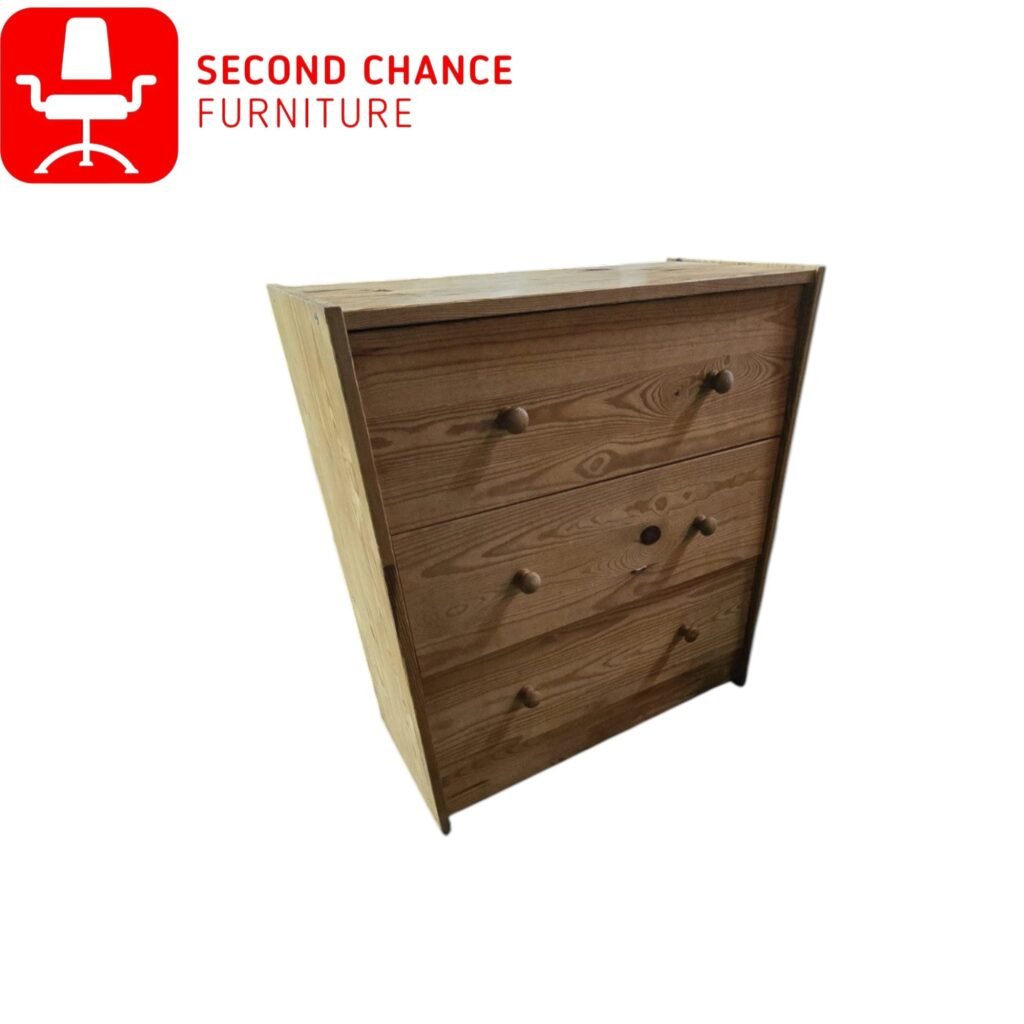
Finding the right vintage furniture doesn’t have to be complicated when you shop with experienced professionals. At Second Chance Furniture Singapore, we carefully source and inspect high-quality second hand and vintage furniture to ensure every piece offers lasting value, functionality, and timeless style.
Our collection includes vintage dining tables, wardrobes, display cabinets, bedframes, sofas, office furniture, and many other carefully selected pieces suitable for homes and businesses throughout Singapore. We believe that beautiful furniture should be affordable, sustainable, and built to last.
Whether you’re furnishing a compact HDB flat, decorating a condominium, or searching for a unique statement piece, our knowledgeable team is ready to help you find vintage furniture that fits your space, budget, and personal style. Browse our latest collection today and discover how quality vintage furniture can transform your home while supporting a more sustainable future.
FAQs (Frequently Ask Questions)
Is vintage furniture better than new furniture?
Many vintage furniture pieces are built using higher-quality materials and traditional craftsmanship, making them more durable than some modern mass-produced furniture. Compare construction quality rather than age alone.
Can vintage furniture fit modern interiors?
Yes. Vintage furniture blends beautifully with Scandinavian, minimalist, industrial, and contemporary styles, creating a balanced and unique interior. Mix vintage statement pieces with modern furniture for a timeless look.
Is vintage furniture expensive?
Not always. Many vintage pieces are surprisingly affordable, especially when purchased from trusted second hand furniture retailers. Well-maintained vintage furniture often provides better long-term value than inexpensive new furniture.
How do I maintain vintage furniture?
Dust regularly, avoid excessive moisture, use suitable wood polish when needed, and keep furniture away from direct sunlight to preserve its finish. Preventive maintenance helps preserve both the beauty and lifespan of vintage furniture.
Is it worth restoring damaged vintage furniture?
It depends on the piece, its materials, and its overall condition. Furniture with solid construction, rare design, or sentimental value is often worth restoring, while severely damaged items may cost more to repair than they are worth. Compare the restoration cost with the item’s long-term value before deciding whether to buy.