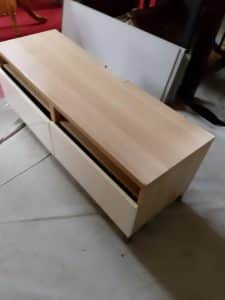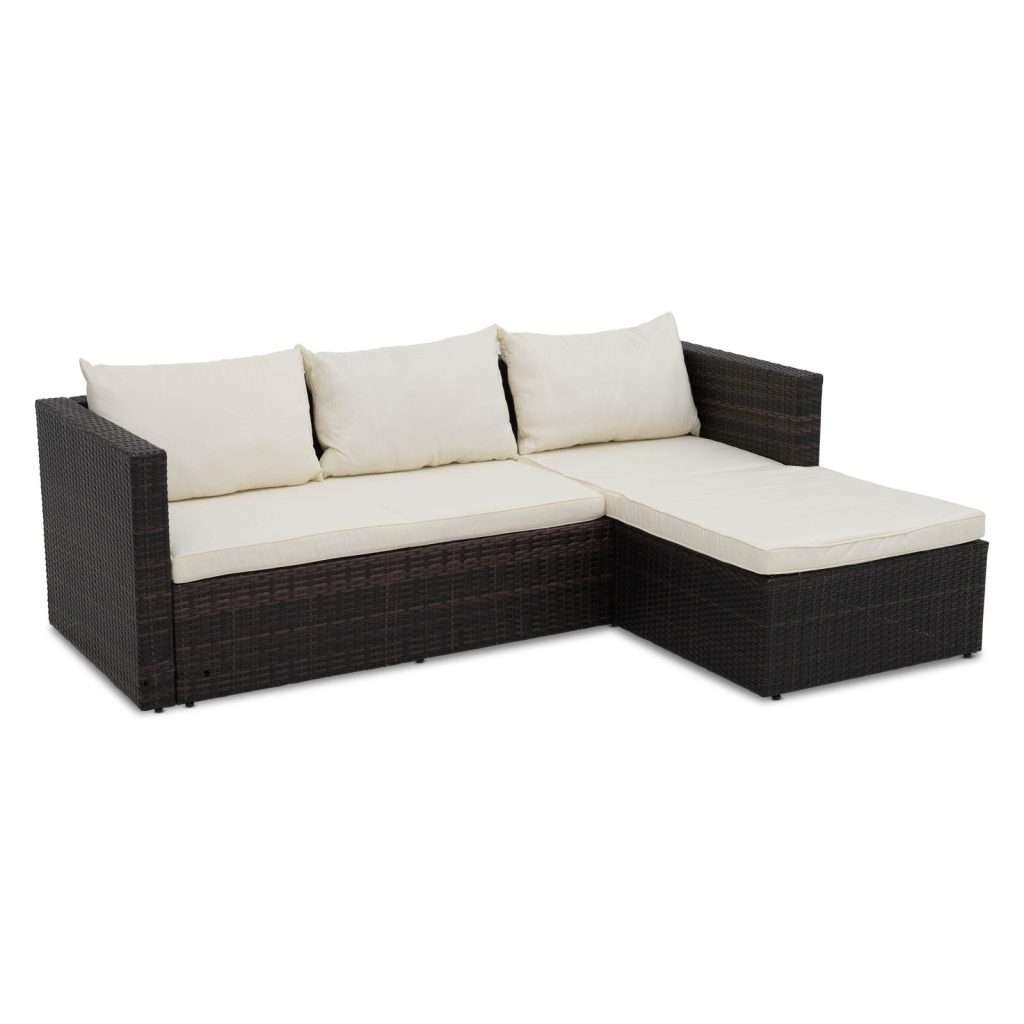
Understanding the safety standard for second hand furniture is essential when buying used sofas, chairs, beds, tables, wardrobes, and storage units in Singapore. In 2026, furniture sold in Singapore as general consumer goods is covered by the Consumer Protection (Consumer Goods Safety Requirements) Regulations 2011 (CGSR), which requires applicable products to meet relevant safety standards.
For second-hand buyers, safety is not only about whether furniture looks clean or attractive. Structural stability, sharp edges, loose components, damaged materials, recalls, and the intended use of the furniture should all be checked before purchase.
What Is the Safety Standard for Second Hand Furniture in Singapore?
The safety standard for second hand furniture refers to the applicable product-safety requirements and standards that furniture supplied in Singapore must meet. Under the CGSR, furniture is classified as a general consumer good and must comply with at least one applicable standard from recognised standards organisations such as ISO, IEC, EN, or ASTM, where applicable.
Importantly, furniture does not generally require the SAFETY Mark simply because it is furniture. The SAFETY Mark applies to specific Controlled Goods under Singapore’s separate Consumer Protection (Safety Requirements) Regulations (CPSR).
Which Furniture Safety Standards Apply?
Different furniture categories can have different applicable standards depending on their design and intended use. Singapore’s CPSO guidance lists standards covering products such as beds, bunk beds, chairs and sofas, storage units, tables, and desks.
| Furniture Type | Examples of Applicable Standards |
|---|---|
| Beds and mattresses | EN 1725 |
| Bunk beds | EN 747, ASTM F1427, ISO 9098 |
| Chairs and sofas | EN 12520, ASTM F1912 |
| Storage units | EN 14749, ASTM F2057 / ASTM F2598, ISO 7170 |
| Tables and desks | EN 12521, EN 527, ISO 7172 |
The table provides examples rather than an exhaustive list. The appropriate standard depends on the specific product and its characteristics.
Does Second-Hand Furniture Need to Be Safe Before Resale?
Yes. Suppliers of general consumer goods have responsibility for ensuring that products supplied in Singapore are safe and comply with applicable requirements. The CPSO states that suppliers should check products for safety problems or defects before sale and provide warnings about potential hazards where necessary.
For buyers, this means purchasing from a reputable second-hand furniture supplier can provide additional confidence compared with buying an item with an unknown history from an individual seller.
How to Inspect Second-Hand Furniture for Safety
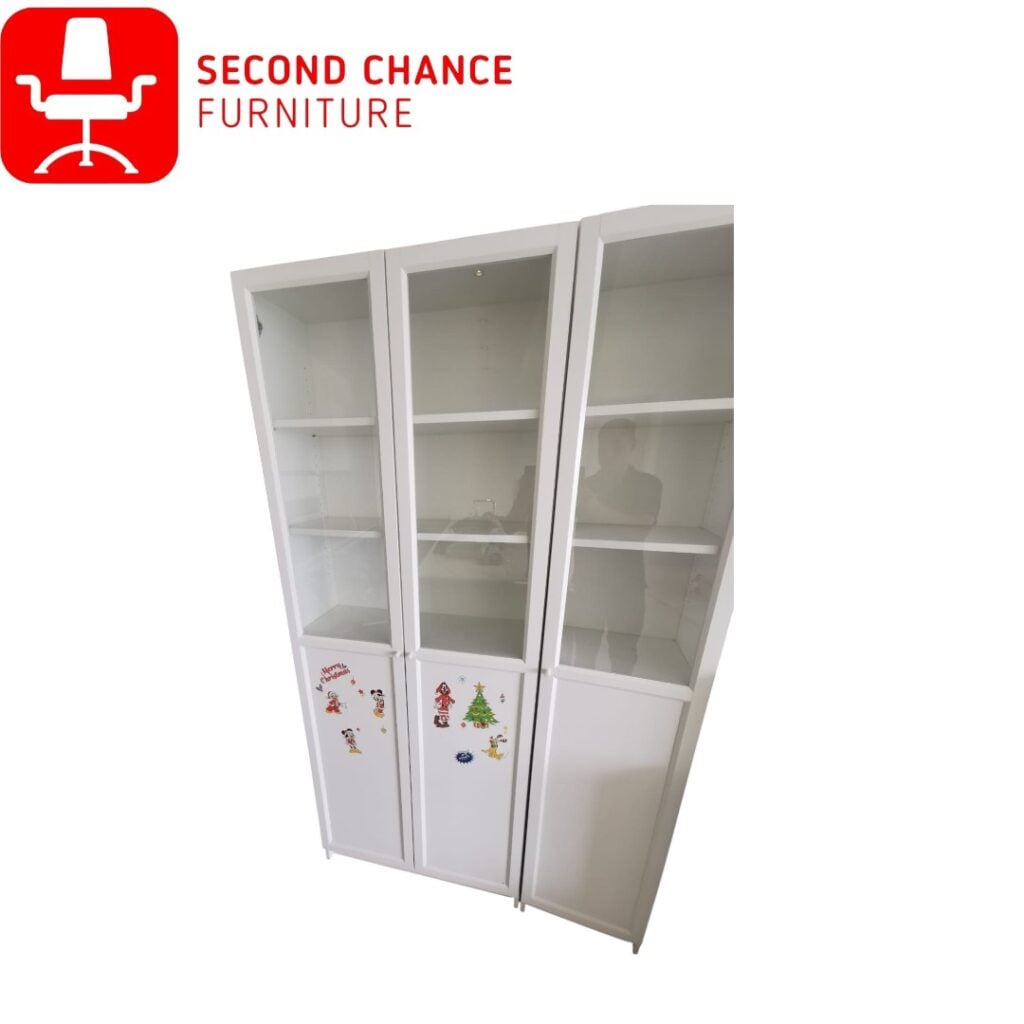
A careful physical inspection is one of the most important steps when purchasing used furniture. Singapore’s CPSO specifically recommends inspecting products for damage, including sharp edges and loose or missing parts.
Check the following before buying:
- Cracks in frames or structural components
- Loose screws, bolts, or joints
- Missing hardware
- Sharp or exposed edges
- Broken legs or supports
- Damaged hinges and drawer mechanisms
- Unstable shelves
- Excessive wobbling
- Damaged upholstery
- Signs of moisture or deterioration
Pro Tip: Sit on chairs and sofas where appropriate and gently test furniture for stability. For cabinets and storage units, check that doors, drawers, shelves, and supports operate properly before purchase.
Check for Furniture Recalls and Safety Alerts
A product can appear to be in good condition but still have a known safety issue. Singapore’s Consumer Product Safety Office maintains a dedicated furniture safety-alert and recall page covering products that have been identified as potentially unsafe.
Before purchasing a branded second-hand furniture item, consider checking:
- Brand name
- Product name or model
- Model or product number
- Manufacturing information where available
- Singapore’s current furniture recalls and safety alerts
This is particularly important for products with known structural, stability, or falling-object risks.
Second-Hand Furniture vs New Furniture Safety Checks
Buying used furniture does not automatically mean accepting lower safety standards. The key difference is that second-hand buyers should pay additional attention to wear, previous repairs, missing components, and product history.
| Safety Consideration | Second-Hand Furniture | New Furniture |
|---|---|---|
| Physical inspection | Very important | Still recommended |
| Wear and tear | Must be assessed | Usually minimal |
| Previous repairs | Should be checked | Usually none |
| Missing components | Possible | Less likely |
| Recall checks | Recommended | Recommended |
| Assembly instructions | May be unavailable | Usually provided |
| Structural condition | Inspect carefully | Check after assembly |
Regardless of whether furniture is new or used, consumers should follow safety instructions and use products only for their intended purpose.
Safety Checks for Different Types of Furniture
Different furniture categories have different risks, so your inspection should reflect how the item will be used.
Sofas and Chairs
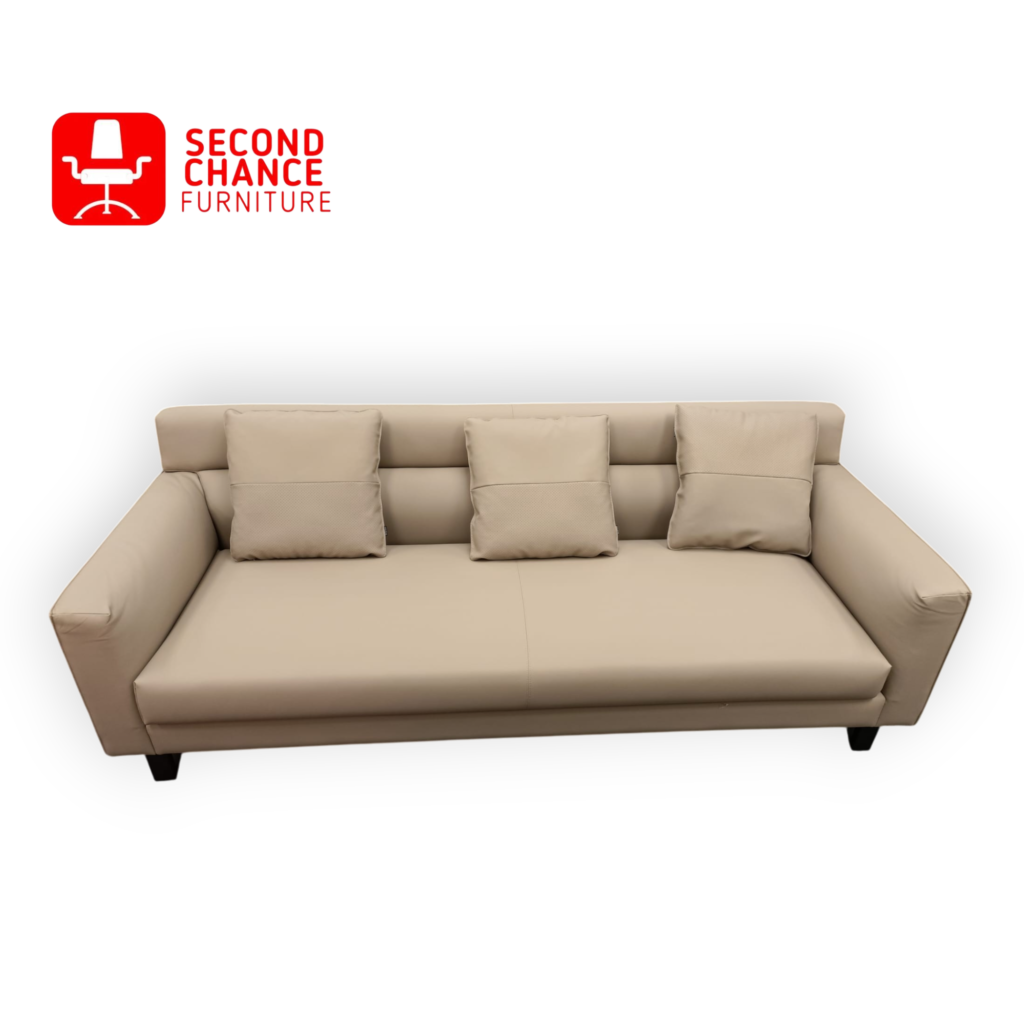
Check the frame, legs, joints, seat support, reclining mechanisms, and upholstery. Make sure the furniture does not wobble or collapse under normal use.
Wardrobes and Storage Units
Check shelves, hinges, doors, drawers, and the overall stability of the unit. Tall storage furniture deserves particular attention because unstable units can present tipping hazards.
Tables and Desks
Inspect the legs, joints, tabletop, and any adjustable mechanisms. The furniture should remain stable when normal pressure is applied.
Beds and Bed Frames
Check the frame, joints, slats, support rails, and fasteners. A damaged bed frame can affect both comfort and structural stability.
Children’s Furniture
Use extra caution with furniture intended for children. Children’s products may have additional applicable safety requirements, so buyers should verify the specific product category and applicable standard rather than assuming ordinary furniture requirements apply.
What to Do With Damaged Second-Hand Furniture
Not every damaged furniture item needs to be discarded. Minor cosmetic problems can often be repaired or restored, while serious structural damage may make an item unsuitable for continued use.
Potentially repairable issues include:
- Scratched surfaces
- Loose hardware
- Minor surface damage
- Worn finishes
- Replaceable handles
- Some loose joints
However, furniture with severely compromised frames, broken structural supports, or significant deterioration should not simply be repaired cosmetically and returned to use.
Safe Upcycling and Furniture Restoration
Upcycling can extend the life of second-hand furniture, but restoration should never compromise structural safety. Repairs should address functional problems before cosmetic improvements such as sanding, painting, or refinishing.
If you’re planning a restoration project, choosing the best tools for upcycling used furniture can help you complete preparation and repairs more effectively while maintaining appropriate safety practices.
Always follow the manufacturer’s instructions for tools, adhesives, coatings, and other restoration products.
How to Buy Second-Hand Furniture Safely Online
Online listings can make it harder to inspect furniture before purchasing. The CPSO recommends researching products, checking descriptions, buying from reputable retailers, and inspecting products for damage.
Before completing an online purchase, ask the seller:
- What is the furniture’s brand and model?
- How old is the item?
- Has it been repaired?
- Are all original components included?
- Are there known defects?
- Is there any recall information?
- Can additional photos be provided?
- What are the exact dimensions?
Clear answers can help you make a more informed decision.
Why Buying From a Reputable Second-Hand Furniture Supplier Matters
A reputable supplier can make the buying process more straightforward by inspecting furniture before offering it for resale. Suppliers of general consumer goods are responsible for ensuring the products they supply are safe and meet applicable requirements.
Second Chance Furniture provides a range of pre-owned furniture for homes, offices, and other spaces. Buyers can consider the furniture’s condition, intended use, dimensions, and suitability before making a purchase.
A Simple Second-Hand Furniture Safety Checklist
Before purchasing any used furniture, use this quick checklist:
- Check the frame for cracks
- Test stability
- Look for loose or missing parts
- Check sharp edges
- Inspect hinges and drawers
- Examine shelves and supports
- Check for signs of deterioration
- Verify dimensions
- Research recalls where applicable
- Ask about previous repairs
- Confirm intended use
- Buy from a reputable supplier
This simple process can reduce the risk of purchasing furniture with preventable safety problems.
Conclusion: Follow the Safety Standard for Second Hand Furniture
The safety standard for second hand furniture in Singapore is based on applicable consumer-product safety requirements and relevant standards, with furniture falling under the CGSR framework for general consumer goods. Applicable standards can vary by furniture type, while suppliers are responsible for ensuring the products they supply are safe.
For consumers, the safest approach is to combine knowledge of applicable standards with a thorough physical inspection, recall checks, and careful consideration of the furniture’s intended use.
Explore quality pre-owned furniture at Second Chance Furniture and make your next purchase with greater confidence. Visit Second Chance Furniture to discover furniture options for your home or business.
FAQs (Frequently Ask Question)
Is second-hand furniture covered by Singapore safety standards?
Used or second-hand goods are generally excluded from the CGSR definition when clearly identified as used before supply, so buyers should also inspect condition and safety carefully.
What should I check before buying used furniture?
Check for cracks, loose parts, sharp edges, unstable frames, damaged hinges, and missing components.
Are there safety standards for beds and sofas?
Yes. Singapore’s guidance lists applicable standards for furniture such as beds, bunk beds, chairs, sofas, storage units, tables, and desks.
Should I check for furniture recalls?
Yes. Check Singapore’s current furniture safety alerts and recalls before purchasing branded second-hand furniture.
How can I make second-hand furniture safer?
Repair damaged components, tighten loose hardware, and properly secure bulky furniture such as wardrobes and bookcases to reduce tip-over risks.