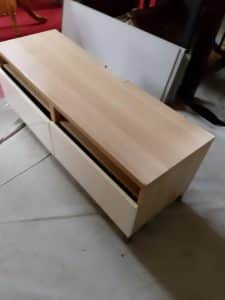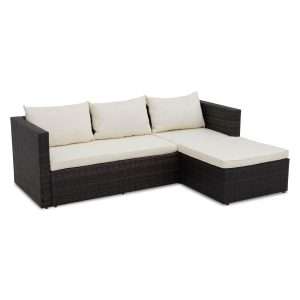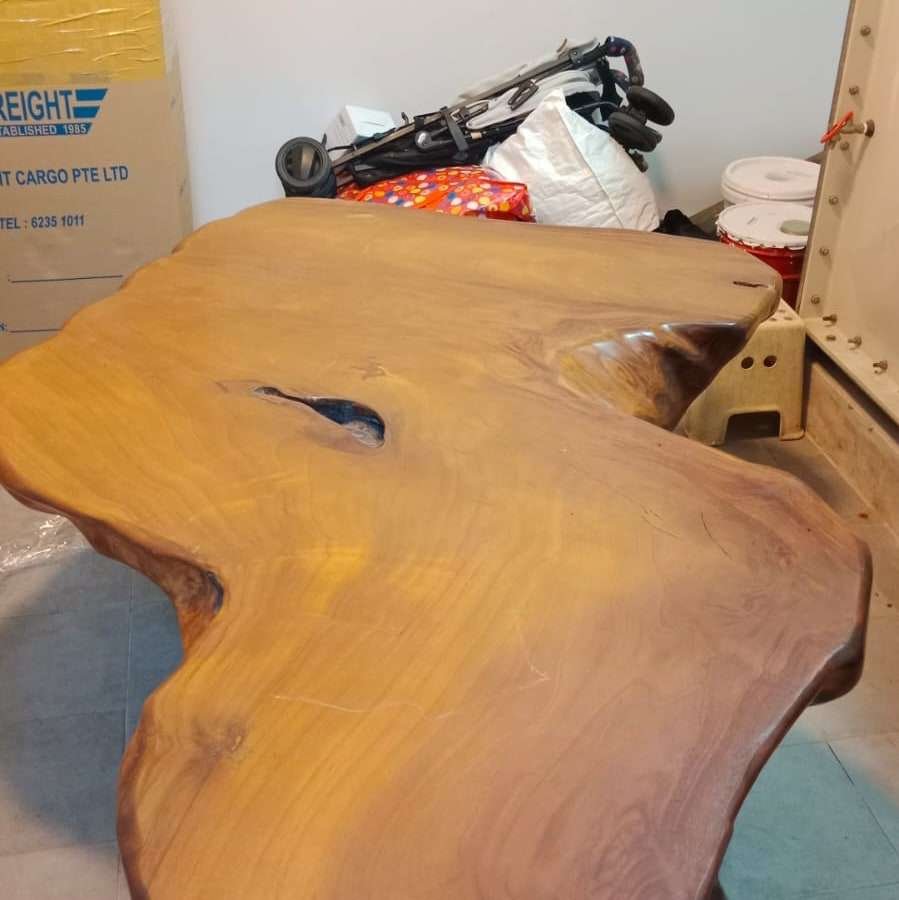
The best tools for upcycling used furniture make it easier to repair, refinish, repaint, and transform pre-owned pieces into functional furniture for modern homes. In 2026, furniture upcycling continues to appeal to homeowners and DIY enthusiasts because it combines creativity, affordability, and more sustainable consumption.
You do not need a professional workshop to start. A carefully selected collection of hand tools, power tools, preparation equipment, and finishing supplies can handle most beginner and intermediate furniture projects.
Why the Right Tools Matter for Furniture Upcycling
The right tools make furniture restoration faster, safer, and more precise. They also help you achieve a cleaner finish while reducing the risk of damaging the original furniture.
A basic toolkit can handle simple projects such as repainting a cabinet, repairing a chair, refinishing a table, or updating furniture hardware. More advanced equipment becomes useful when you need to remove old finishes, repair structural components, or reshape materials.
Essential Tools for Upcycling Used Furniture
The best tools for upcycling used furniture depend on the type and condition of the piece. However, most DIY projects can be completed with a combination of preparation tools, repair tools, finishing equipment, and basic safety gear.
Screwdrivers and Hand Tools
A basic screwdriver set is essential for removing handles, hinges, brackets, and other hardware.
Useful hand tools include:
- Phillips and flat-head screwdrivers
- Pliers
- Adjustable wrench
- Hammer
- Allen keys
- Utility knife
- Measuring tape
- Clamps
These inexpensive tools are useful for both furniture disassembly and repairs.
Orbital Sander
An orbital sander is one of the most useful power tools for furniture restoration. It can efficiently remove old finishes, smooth rough surfaces, and prepare wood for paint or stain.
For beginners, a random orbital sander with suitable sanding discs provides a versatile solution for larger flat surfaces.
Sandpaper
Sandpaper remains essential even when using a power sander because some areas require manual sanding.
Different surfaces may require different grits:
- Coarse grit for removing old finishes
- Medium grit for smoothing surfaces
- Fine grit for final preparation
Always progress gradually rather than using an unnecessarily aggressive grit on delicate furniture.
Cordless Drill and Driver
A cordless drill is useful for assembling, repairing, and modifying furniture. It can also make pilot holes before installing screws, reducing the risk of splitting wood.
A drill with interchangeable bits provides greater flexibility for different furniture materials and hardware.
Paint Brushes and Rollers
Quality brushes and rollers help create smoother, more consistent finishes.
Use smaller brushes for:
- Edges
- Corners
- Decorative details
- Narrow surfaces
Foam or microfiber rollers can be useful for larger flat surfaces where a smooth finish is desired.
Best Tools for Different Upcycling Tasks
Not every project requires the same equipment. Choosing tools based on the task prevents unnecessary spending and helps you build your toolkit gradually.
| Upcycling Task | Recommended Tool | Skill Level |
|---|---|---|
| Removing hardware | Screwdriver set | Beginner |
| Surface preparation | Sandpaper | Beginner |
| Removing old finish | Orbital sander | Beginner–Intermediate |
| Furniture assembly | Cordless drill | Beginner |
| Minor repairs | Clamps and wood glue | Beginner |
| Cutting wood | Circular or jigsaw | Intermediate |
| Detailed shaping | Rotary tool | Intermediate |
| Painting | Brushes and rollers | Beginner |
| Final protection | Applicator or brush | Beginner |
For occasional DIY projects, start with basic hand tools and add power tools only when your projects require them.
Safety Equipment You Should Always Use
Furniture upcycling can generate dust, debris, fumes, and sharp edges. Appropriate safety equipment is therefore just as important as the tools themselves.
Recommended protective equipment includes:
- Safety glasses
- Suitable dust mask or respirator
- Hearing protection when using loud power tools
- Work gloves where appropriate
- Closed-toe footwear
- Protective work clothing
When sanding or applying coatings, work in a well-ventilated area and follow the manufacturer’s safety instructions for the products and equipment you use.
Pro Tip: Never sacrifice safety to finish a project faster. Wear eye protection when sanding or cutting, control dust properly, and make sure power tools are used according to their instructions.
How to Choose the Right Sander
Choosing a sander depends on the size, shape, and condition of the furniture.
Random Orbital Sander
A versatile choice for tables, cabinets, doors, and other relatively flat surfaces. It provides efficient sanding while reducing visible sanding patterns when used correctly.
Detail Sander
Useful for corners, edges, and smaller areas that are difficult to reach with larger sanders.
Sanding Sponge
Ideal for curved surfaces, profiles, and small finishing jobs where a power sander would be excessive.
For beginners, combining a random orbital sander with hand sanding materials provides a practical setup for most furniture projects.
Repair Tools for Damaged Furniture

Before painting or refinishing, structural problems should be addressed. Repairing furniture first ensures that the final result is both attractive and functional.
Useful repair supplies include:
- Wood glue
- Wood filler
- Clamps
- Replacement screws
- Replacement hinges
- Furniture touch-up products
Loose joints should be repaired before cosmetic work begins. Otherwise, a freshly painted piece may still have underlying structural problems.
Painting and Finishing Tools
The finishing stage determines much of the final appearance of an upcycled furniture piece. Using suitable application tools helps create a more professional result.
Depending on the project, you may need:
- Quality paint brushes
- Foam or microfiber rollers
- Paint trays
- Stirring sticks
- Fine-grit sandpaper
- Protective topcoat applicators
Preparation is particularly important when painting previously finished furniture. Clean the surface thoroughly, remove loose material, sand where appropriate, and follow the coating manufacturer’s preparation requirements.
Furniture Upcycling Tools: Manual vs Power Tools
Both manual and power tools have a place in furniture restoration. The best approach is to combine them rather than relying entirely on one category.
| Tool Type | Advantages | Best For |
| Hand Tools | Affordable and easy to control | Repairs and detail work |
| Power Tools | Faster and more efficient | Large restoration projects |
| Manual Sanding | Precise and inexpensive | Corners and delicate areas |
| Power Sanding | Faster surface preparation | Tables and large panels |
If you’re new to upcycling, begin with hand tools and basic sanding equipment before investing in larger power tools.
How to Build a Budget-Friendly Upcycling Toolkit
You do not need to purchase every tool at once. Start with equipment that can be used across multiple projects.
A practical starter toolkit can include:
- Screwdriver set
- Measuring tape
- Pliers
- Hammer
- Sandpaper
- Orbital sander
- Cordless drill
- Clamps
- Paint brushes
- Safety glasses and suitable dust protection
Once you gain experience, you can add specialized tools based on the projects you enjoy.
Choosing Tools Based on the Furniture Material
Different furniture materials require different approaches. Wood furniture generally offers the widest range of restoration possibilities, while veneer, laminate, metal, and upholstered pieces may require more specialized preparation.
Always identify the material before sanding, cutting, painting, or applying chemicals. Test unfamiliar finishes or coatings on an inconspicuous area first to reduce the risk of damaging the furniture.
From Second-Hand Furniture to Custom Furniture
Upcycling allows buyers to transform ordinary pre-owned furniture into pieces that better match their personal style. A dated cabinet can receive a modern finish, while an old wooden table can be repaired and refinished instead of replaced.
These creative projects are part of the broader Second-Hand Furniture Innovations movement, where reuse, restoration, customization, and refurbishment are changing how consumers think about pre-owned furniture.
For those interested in exploring more advanced transformations, combining quality second-hand furniture with DIY furniture restoration techniques can create highly personalized results.
Common Mistakes When Choosing Upcycling Tools
Buying expensive equipment does not automatically produce better results. Choosing the wrong tool or using it incorrectly can damage furniture and increase project costs.
Common mistakes include:
- Buying tools before understanding the project
- Using overly aggressive sandpaper
- Skipping safety equipment
- Choosing the wrong drill bit
- Applying finishes without proper preparation
- Using unsuitable tools on delicate surfaces
Research the furniture material and project requirements before purchasing specialized equipment.
Why Quality Second-Hand Furniture Makes Better Upcycling Projects
The best upcycling results usually begin with furniture that has a strong structural foundation. Cosmetic imperfections are often easier to correct than serious damage to the frame or construction.
Second Chance Furniture provides access to a variety of pre-owned furniture that can serve as a foundation for restoration and creative projects. Choosing a structurally sound piece allows you to focus your time and budget on improving its appearance and functionality.
Conclusion: Start Your Furniture Upcycling Project With the Right Tools
The best tools for upcycling used furniture do not have to be expensive or complicated. A combination of basic hand tools, sanding equipment, repair supplies, finishing tools, and appropriate safety gear is enough to complete many furniture transformation projects.
Start with versatile tools, choose equipment according to the furniture material and project requirements, and prioritize preparation and safety. With the right approach, second-hand furniture can be transformed into durable, attractive pieces that suit your home and personal style.
Explore quality pre-owned furniture at Second Chance Furniture and discover pieces that could become your next DIY restoration project with Second Chance Furniture.
FAQs (Frequently Ask Question)
What are the best tools for upcycling used furniture?
Essential tools include sandpaper, an orbital sander, cordless drill, screwdrivers, clamps, paint brushes, and safety equipment.
Do beginners need power tools for furniture upcycling?
Not necessarily. Many simple projects can be completed with basic hand tools, although power tools can make larger projects faster.
What type of sander is best for furniture?
A random orbital sander is a versatile choice for sanding large, relatively flat furniture surfaces.
What safety equipment is needed?
Use safety glasses, appropriate dust protection, hearing protection for noisy tools, and proper ventilation when working with finishes.
Can second-hand furniture be used for DIY projects?
Yes. Structurally sound second-hand furniture is an excellent foundation for restoration, repainting, refinishing, and creative upcycling.