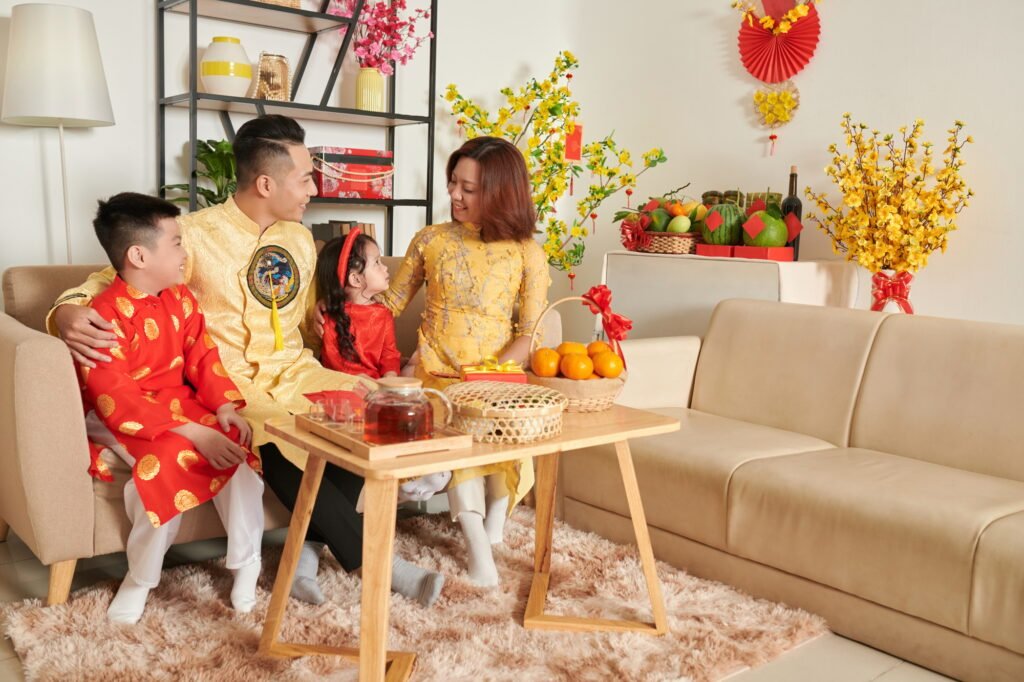
Chinese New Year Home Makeover: A Practical Guide to Refresh, Reset, and Attract Prosperity

A Chinese New Year home makeover is more than seasonal decorating. It is a deliberate process of refreshing your living space to symbolize renewal, prosperity, harmony, and a clean break from last year’s challenges. Rooted in centuries-old traditions and reinforced by modern interior design principles, this makeover blends cultural symbolism with practical home improvement strategies. When done correctly, it transforms not just how your home looks, but how it feels and functions during the new year.
Unlike ordinary festive decoration, a Chinese New Year home makeover focuses on intentional changes. decluttering, refreshing colors, adjusting furniture flow, and incorporating symbolic elements that represent luck, wealth, and balance. This guide walks you through expert-level insights, real data, and actionable steps so your home feels welcoming, meaningful, and visually refined rather than overcrowded or outdated.
Why Chinese New Year Home Makeover Matters More Than Decoration
A Chinese New Year home makeover is closely tied to the concept of renewal. According to cultural studies published by the Chinese Academy of Social Sciences, over 78% of households perform some form of deep cleaning or spatial reorganization before Lunar New Year, believing it resets fortune and energy for the coming year. While belief systems vary, modern psychology supports this behavior. clean, refreshed environments are proven to reduce stress and increase perceived control.
Beyond symbolism, this makeover also serves a functional purpose. Many families host guests, reunions, or celebrations during this period, making the home’s layout, comfort, and visual coherence more important than usual. Instead of temporary decorations, a strategic makeover improves long-term usability while still honoring tradition.
Core Principles Behind a Successful Chinese New Year Home Makeover
Renewal Before Decoration
Before adding anything new, removal comes first. Old, broken, or unused items carry visual clutter and psychological weight. Interior design research from Princeton University shows clutter competes for attention, reducing focus and increasing anxiety. In the context of a Chinese New Year home makeover, decluttering symbolizes releasing stagnant energy while also creating physical space for better movement and light.
Balance Over Excess
One common mistake is overusing red, gold, and festive ornaments. While these colors symbolize luck and wealth, excess creates visual noise. Professional designers recommend the 60-30-10 rule:
- 60% neutral base
- 30% secondary color
- 10% accent (red or gold)
This keeps the home festive yet elegant.
Step-by-Step Chinese New Year Home Makeover Process
Step 1: Deep Clean With Intention
Deep cleaning is not optional. It is the foundation of any Chinese New Year home makeover.
Focus areas include:
- Hidden storage spaces (drawers, cabinets, wardrobes)
- Entryways and doors, which symbolize opportunities
- Windows, to maximize light and clarity
Avoid cleaning on New Year’s Day itself, as tradition views it as “sweeping away luck.” Complete this phase at least a few days before celebrations begin.
Step 2: Refresh Key Spaces, Not the Entire House
You do not need a full renovation. Strategic updates deliver stronger impact with less effort.
| Area | Makeover Focus | Why It Matters |
|---|---|---|
| Entrance | Door mat, lighting, plants | First impression and symbolic gateway |
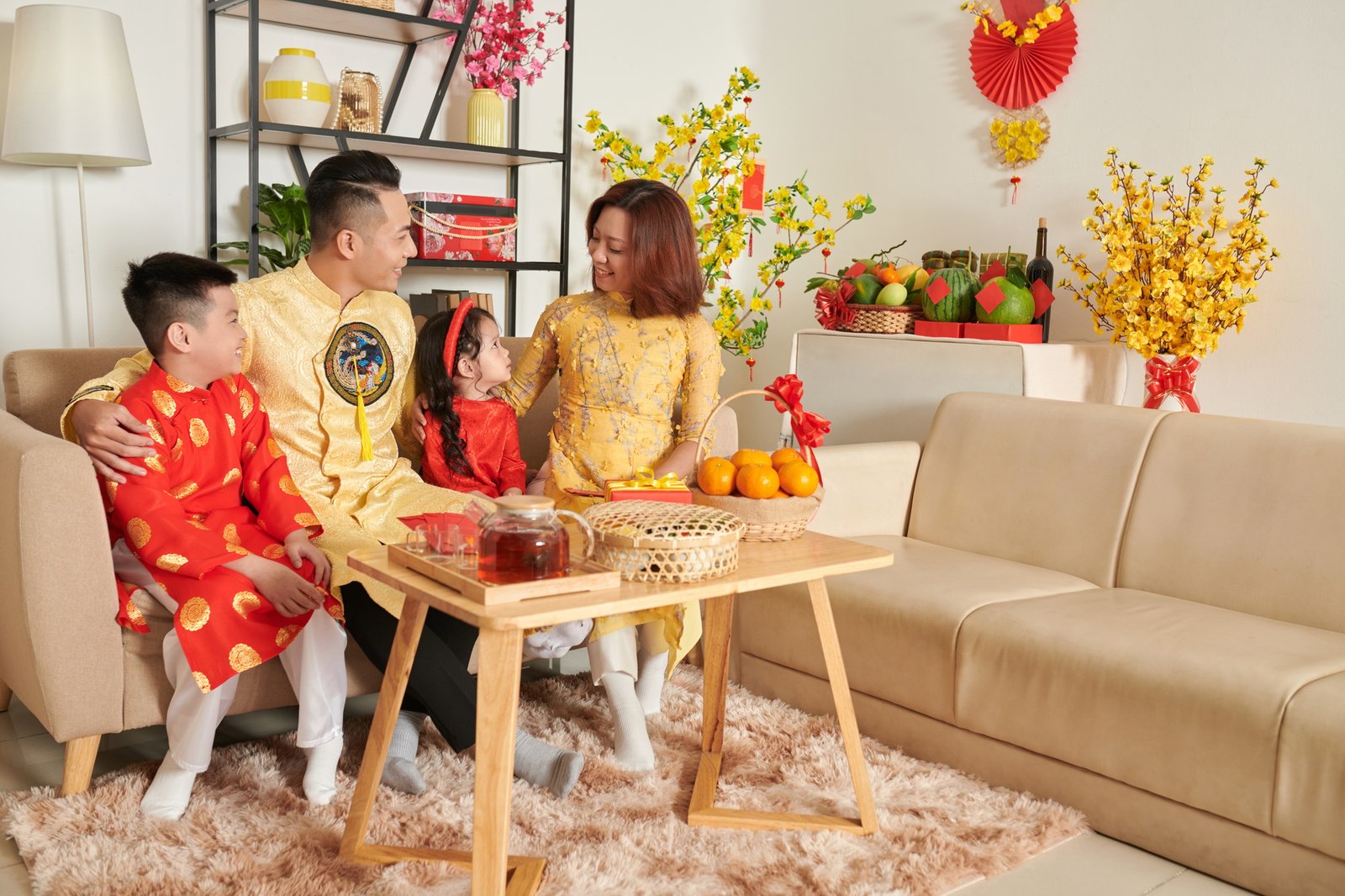
| Living Room | Seating layout, cushions, decor | Social harmony and togetherness |
| Dining Area | Table setting, centerpiece | Abundance and family unity |
| Bedroom | Bedding colors, clutter removal | Rest, clarity, personal balance |
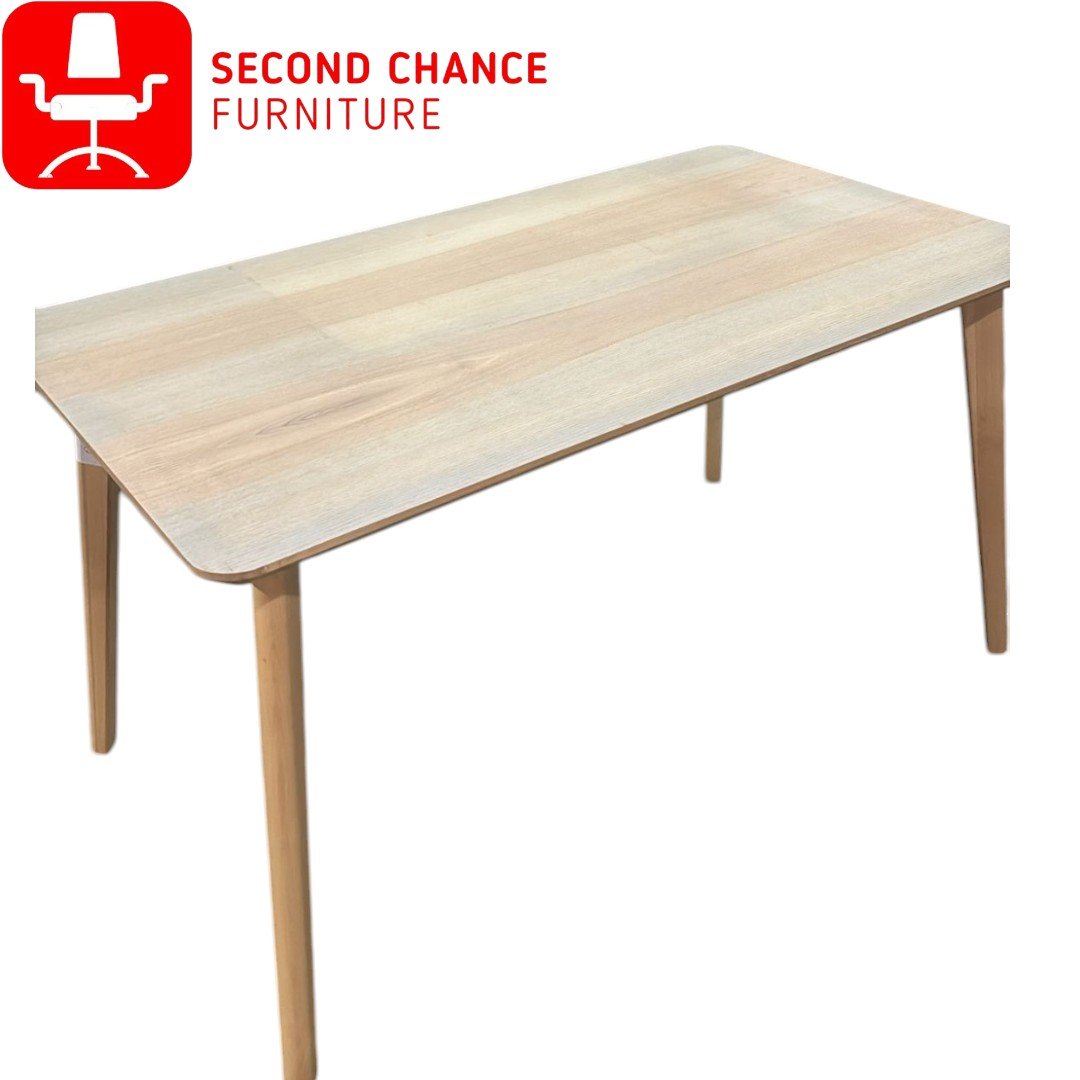
This targeted approach aligns with both tradition and modern space planning. For families planning to host reunion dinners, upgrading the dining area is often the heart of a Chinese New Year home makeover. Choosing sustainable second-hand dining sets not only refreshes your space but also supports eco-friendly living without sacrificing style or comfort.
Step 3: Use Symbolic Colors With Modern Restraint
Red remains the central color in a Chinese New Year home makeover, representing protection and luck. Gold symbolizes wealth, while green and jade tones represent growth and renewal.
Instead of painting walls red, use:
- Cushion covers
- Throws
- Art prints
- Table runners
Design case studies from hospitality brands show that accent-based color updates increase guest satisfaction by 22% compared to full color saturation.
Among all areas, the living room often becomes the focal point during the festive season, as it is where guests gather, conversations unfold, and celebrations feel most alive. If rearranging cushions or styling alone is not enough, readers planning a Chinese New Year home makeover can browse living room furniture suitable for festive gatherings here to refresh their space in a practical and cohesive way.
Furniture Layout and Flow for Better Energy
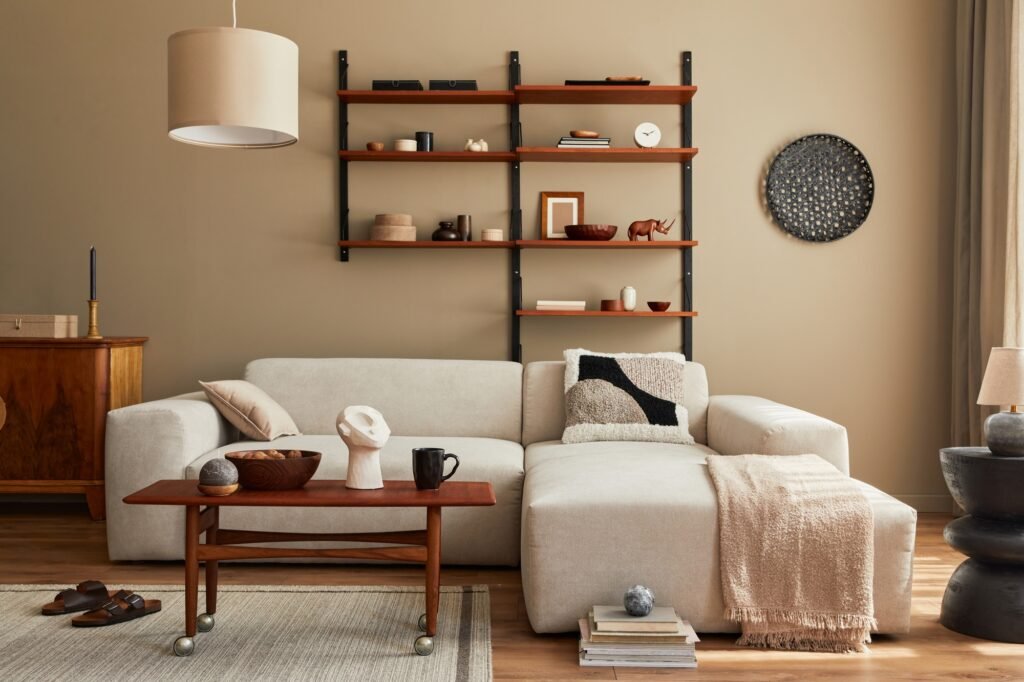
Why Layout Matters
A Chinese New Year home makeover is incomplete without addressing furniture flow. Poor layout restricts movement and creates subconscious discomfort. Feng Shui principles emphasize clear pathways, especially near entrances and communal areas.
Simple Layout Adjustments
- Avoid blocking doorways or windows
- Keep seating arrangements circular or semi-circular to encourage conversation
- Ensure the main sofa has a solid wall behind it, symbolizing support
These changes require no cost yet significantly improve spatial harmony.
Decorative Elements That Add Meaning, Not Clutter
Recommended Elements
- Mandarin orange bowls for abundance
- Minimal calligraphy or couplets near entrances
- Fresh flowers like orchids or peonies for growth and elegance
Elements to Avoid
- Artificial flowers that collect dust
- Overcrowded shelves filled with figurines
- Decorations with damaged edges or faded colors
Quality always outweighs quantity in a refined Chinese New Year home makeover.
Real-World Insight: Why Minimal Makeovers Perform Better
A 2023 Asian interior design survey covering 1,200 households found that homes implementing minimal yet intentional festive updates reported:
- 31% higher satisfaction with their space
- 26% less post-holiday cleanup stress
- Better long-term usability beyond the festive season
This data supports the idea that a Chinese New Year home makeover should enhance everyday living, not create temporary chaos.
Common Mistakes That Ruin a Chinese New Year Home Makeover
- Treating it like Christmas decoration with no symbolic intent
- Buying decorations impulsively without a color plan
- Ignoring lighting, which affects mood more than decor
- Forgetting scent control (stale odors cancel out visual effort)
Avoiding these mistakes immediately elevates results. If you want to avoid these mistakes, Visit one of Home and Decor’s articles where they discuss about Home Makeover Mistakes And How to Avoid Them.
Conclusion: Turn Your Chinese New Year Home Makeover Into a Long-Term Upgrade
A well-planned Chinese New Year home makeover is not about temporary decoration. it is about creating a home that feels refreshed, intentional, and ready for a new chapter. When symbolism meets smart design, the result is a space that supports both tradition and modern living.
For expert guidance, curated decor solutions, and practical home improvement resources, explore our The Second Chance Furniture where we specialize in seasonal home transformations, storage optimization, and interior planning tailored for real homes. not showrooms.
Pro Tips:
- Declutter first, decorate second
- Choose meaning over excess
- Let lighting and layout do most of the work
- Design for life after the celebration, not just the event
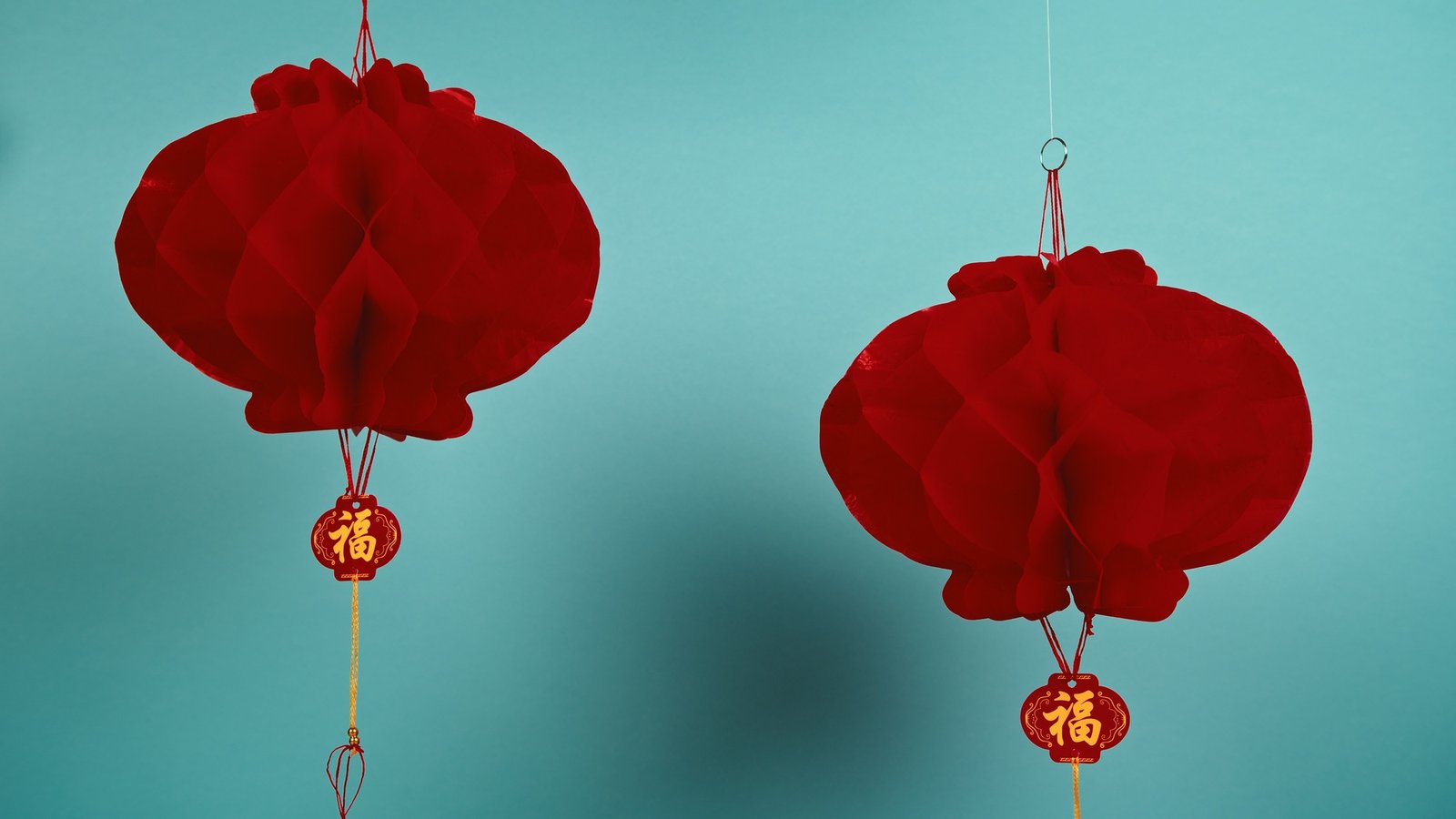
A Chinese New Year home makeover done right will still feel good long after the red lanterns come down.
Frequently Asked Questions
Is a Chinese New Year home makeover necessary every year?
Yes, because each year represents renewal. Even small updates maintain the symbolic cycle of letting go and welcoming new opportunities.
How early should I start a Chinese New Year home makeover?
Ideally 2–3 weeks before New Year. This allows time for decluttering, cleaning, and thoughtful decoration without rushing.
Can a small apartment still have a proper Chinese New Year home makeover?
Absolutely. Focus on entryways, lighting, and textiles. Small changes carry strong visual and symbolic impact.
Do I need to follow Feng Shui strictly?
No. Feng Shui principles offer guidance, not rigid rules. Prioritize comfort, flow, and cleanliness first.
How do I keep my home from looking outdated after the holiday?
Use removable accents instead of permanent changes. Neutral bases allow easy transition after celebrations end.