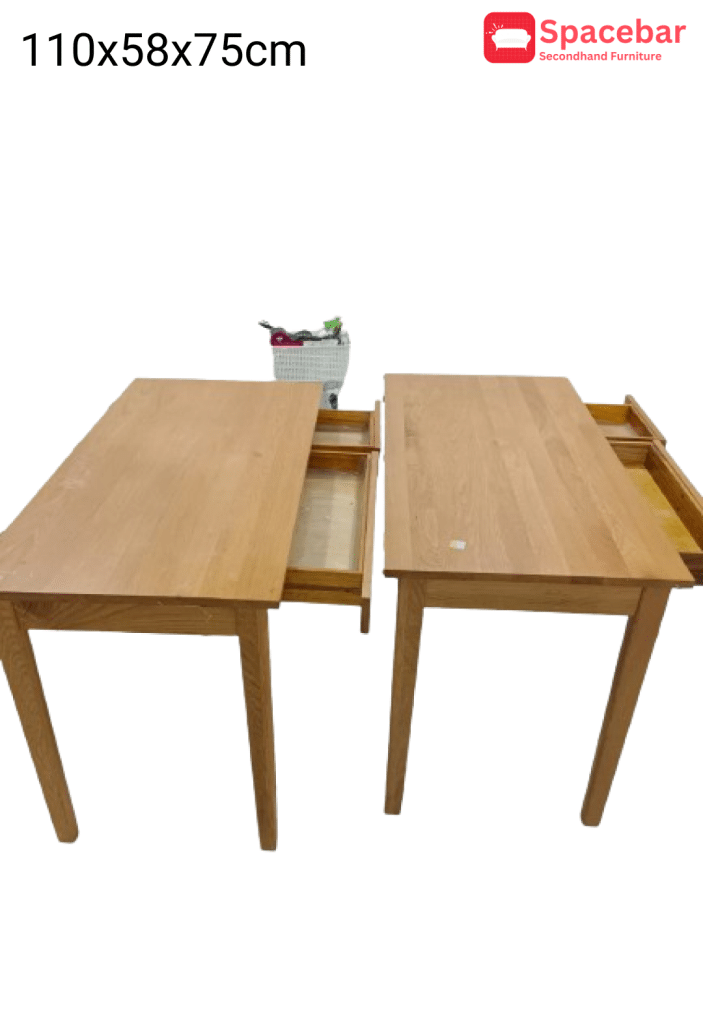
Setting a Budget for Preloved Made Easy
Decorating your home with preloved furniture is not only eco-friendly but also budget-friendly if done right. However, without proper planning, it’s easy to overspend or miss out on the best deals. That’s why setting a budget for preloved furniture is essential to keep your expenses in check while ensuring you get high-quality pieces that complement your space.
Before diving into budgeting strategies, it’s essential to understand how to strike a balance between quality and affordability in furniture—something that can greatly impact your overall budget planning. For insights on achieving this balance, check out our post on how to find the perfect harmony between quality and price.

Why Set a Budget for Preloved Furniture?
Preloved furniture is often a treasure trove of unique and vintage finds, but the variety can also be overwhelming. Here’s why setting a budget is critical:
- Cost control: Prevent impulsive buying and stick to what you can afford.
- Prioritization: Allocate funds to the furniture pieces you need most.
- Sustainable choices: Focus on long-lasting, high-quality items.
With a clear budget in mind, you can maximize your savings while creating a beautifully curated space.
7 Tips for Setting a Budget for Preloved Furniture
1. Assess Your Needs and Space
Before you dive into the world of preloved furniture, take a step back to evaluate your needs. Do you need a dining table, a sofa, or a set of chairs? Assess your available space to avoid buying items that won’t fit. Jot down the furniture you need in order of priority. This will guide your spending when setting a budget for preloved furniture.
2. Research Market Prices
Explore platforms like thrift stores, online marketplaces, and specialized shops like Second Chance Furniture. Research the average price range of the items you’re looking for. Knowing what’s reasonable helps you establish a realistic budget while ensuring you don’t overpay for preloved furniture.
3. Allocate Funds for Key Pieces
When setting a budget for preloved furniture, it’s crucial to allocate more funds to essential pieces like sofas, beds, or dining tables. These items often need to be durable and comfortable, so it’s worth spending a bit extra on them. For decorative or smaller items, allocate a smaller portion of your budget. This ensures you stay within your financial limits.
4. Factor in Additional Costs
Buying preloved furniture often comes with hidden expenses such as:
- Transportation: If the seller doesn’t deliver, you’ll need to arrange a pickup.
- Restoration: Sanding, painting, or reupholstering can add to your costs.
- Cleaning: Deep cleaning is often necessary for secondhand furniture.
When setting a budget for preloved furniture, consider these costs to avoid surprises.
5. Take Advantage of Sales and Promotions
Keep an eye out for seasonal sales or discounts offered by stores like Second Chance Furniture. Sales are a fantastic way to snag quality pieces at lower prices, making it easier to stick to your budget. Many sellers of preloved furniture are open to negotiation. Polite haggling can help you save even more.
6. Shop with a Sustainable Mindset
One of the biggest benefits of buying preloved furniture is its environmental impact. By focusing on sustainability, you’ll naturally prioritize well-made, long-lasting items over cheaper, disposable ones. This approach aligns perfectly with setting a budget for preloved furniture, as investing in durable pieces saves money in the long run.
7. Keep Track of Your Spending
It’s easy to get carried away when shopping for preloved furniture, especially when you find unique or vintage pieces. Keep a record of your expenses to ensure you stay within your budget. Apps or spreadsheets can help you track your spending and adjust your budget if necessary. This step is crucial for maintaining financial control.
Wrapping Up: Your Budget is the Key to Success
Setting a budget for preloved furniture ensures you save money, avoid unnecessary stress, and create a home that reflects your style. With proper planning and trusted sellers like Second Chance Furniture, you can achieve your dream space while staying financially savvy. Happy shopping!
Setting a Budget for Preloved Furniture: A Smart Guide for Cost-Effective Furnishing in 2026
Setting a budget for preloved furniture is one of the most important steps when furnishing a home, office, or rental property. In 2026, more consumers are turning to second-hand furniture to reduce costs, support sustainability, and access quality pieces that offer excellent value.
However, even when buying used furniture, costs can add up quickly without a clear spending plan. Establishing a realistic budget helps you prioritize purchases, compare options effectively, and avoid impulse buying. Whether you’re furnishing a single room or an entire property, a well-planned budget ensures you maximize value without sacrificing quality.
Why Setting a Budget for Preloved Furniture Matters
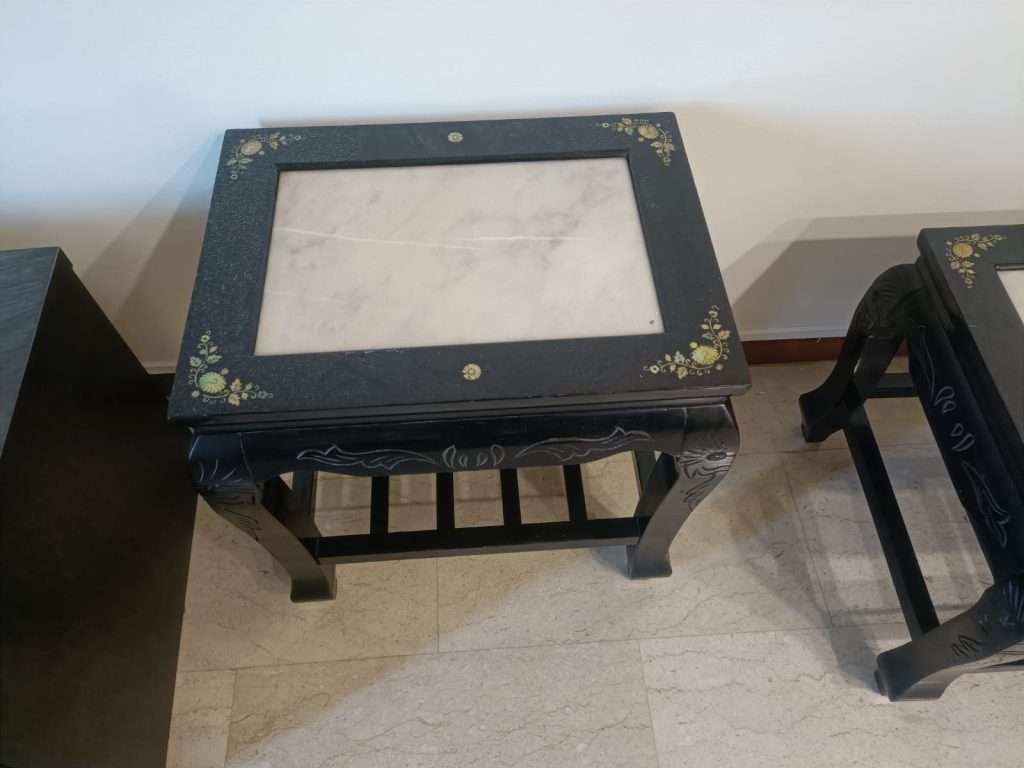
Setting a budget for preloved furniture allows buyers to make informed decisions and stay focused on their actual needs. While second-hand furniture is generally more affordable than new furniture, expenses such as delivery, refurbishment, and accessories can significantly impact total costs.
A defined budget helps you:
- Control overall spending
- Prioritize essential furniture pieces
- Compare value across multiple sellers
- Avoid unnecessary purchases
- Allocate funds for transportation or repairs
By planning ahead, you can create a functional and stylish space while maintaining financial discipline.
Understanding Your Furniture Needs Before Budgeting
Before assigning a budget, it is important to identify exactly what furniture you need. This prevents overspending on non-essential items and helps you focus on pieces that provide the greatest value.
Ask yourself:
- Which rooms require furniture?
- What items are absolutely necessary?
- Are there existing pieces that can be reused?
- Do you need temporary or long-term furniture solutions?
- How much available space do you have?
Creating a detailed furniture checklist provides a clear foundation for setting a realistic spending plan.
New Furniture vs Preloved Furniture: Budget Comparison
Understanding the financial differences between new and preloved furniture can help buyers make smarter purchasing decisions.
| Factor | Preloved Furniture | New Furniture |
|---|---|---|
| Purchase Price | Lower upfront cost | Higher upfront cost |
| Depreciation | Minimal depreciation | Immediate value loss after purchase |
| Availability | Often ready for immediate delivery | May require production lead times |
| Sustainability | Environmentally friendly | Requires new manufacturing resources |
| Unique Designs | Vintage and discontinued options available | Mostly current collections |
| Overall Value | High value-to-cost ratio | Higher total investment |
For many households and businesses, preloved furniture offers a practical balance between affordability and quality.
How Much Should You Budget for Preloved Furniture?
The ideal budget depends on the size of your project, your design preferences, and the quality level you expect.
As a general guideline:
| Furniture Type | Suggested Budget Range |
|---|---|
| Dining Table | Moderate budget allocation |
| Sofa | Higher budget allocation due to frequent use |
| Wardrobe | Moderate to high budget allocation |
| Office Desk | Moderate budget allocation |
| Bookshelf | Lower to moderate budget allocation |
| Bed Frame | Higher budget allocation for durability |
Rather than focusing solely on the lowest price, consider long-term usability and overall condition when determining how much to spend.
Pro Tip: Allocate approximately 70–80% of your furniture budget to essential items first and reserve the remaining amount for upgrades, décor, delivery fees, or unexpected opportunities.
Prioritize High-Impact Furniture Pieces
Not all furniture contributes equally to your space. Prioritizing larger and frequently used pieces allows you to achieve the greatest functional and visual impact within your budget.
Examples of priority purchases include:
- Sofas
- Dining tables
- Bed frames
- Office desks
- Storage cabinets
Once these foundational pieces are secured, you can gradually add decorative or secondary furniture items as your budget allows.
Account for Hidden Costs
Many buyers focus solely on the purchase price and overlook additional expenses associated with preloved furniture. Including these costs in your budget prevents unpleasant surprises later.
Potential additional costs include:
- Delivery charges
- Moving services
- Cleaning expenses
- Minor repairs
- Reupholstery
- Replacement hardware
- Protective treatments
Factoring these expenses into your initial budget provides a more accurate picture of the total investment.
Compare Multiple Sources Before Buying
Smart budgeting involves comparing prices across multiple sellers rather than purchasing the first item you find. Different suppliers often offer varying prices based on furniture condition, age, and brand reputation.
When researching options, explore reputable stores and trusted marketplaces for used furniture to compare inventory, pricing, and availability. Taking time to evaluate multiple listings can help you identify exceptional value opportunities while staying within budget.
Focus on Quality Over Quantity
A common mistake when buying preloved furniture is prioritizing quantity over quality. Purchasing several low-quality pieces may seem economical initially but can lead to higher replacement costs over time.
Instead, invest in:
- Solid wood furniture
- Durable office furniture
- Well-maintained storage units
- High-quality dining sets
- Sturdy bed frames
At trusted providers such as Second Chance Furniture, buyers can often find carefully selected pieces that deliver both durability and affordability.
Create a Room-by-Room Spending Plan
Breaking your budget into individual rooms makes the process easier to manage and helps prevent overspending in one area.
For example:
Living Room
Focus on:
- Sofa
- Coffee table
- TV console
Bedroom
Focus on:
- Bed frame
- Wardrobe
- Bedside tables
Home Office
Focus on:
- Desk
- Chair
- Storage solutions
This structured approach ensures that each room receives adequate funding while maintaining overall budget control.
Why Preloved Furniture Offers Better Long-Term Value
One of the biggest advantages of setting a budget for preloved furniture is the ability to stretch your purchasing power. Instead of paying premium retail prices, buyers can often access higher-quality products at significantly lower costs.
Many pre-owned furniture pieces have already experienced their largest depreciation period, meaning they retain value more effectively than newly purchased furniture. This makes them an attractive option for homeowners, renters, startups, and property investors seeking long-term value.
Second Chance Furniture continues to help customers find affordable furniture solutions that balance cost, quality, and sustainability, making it easier to furnish spaces without exceeding budget limits.
Common Budgeting Mistakes to Avoid
When purchasing preloved furniture, avoid these common mistakes:
- Buying without measuring available space
- Ignoring delivery expenses
- Focusing only on appearance
- Purchasing impulsively
- Skipping condition inspections
- Exceeding planned spending limits
Avoiding these pitfalls helps ensure that your furniture budget remains effective and sustainable.
Conclusion: Budget Smarter With Second Chance Furniture
Setting a budget for preloved furniture is one of the most effective ways to furnish a space while maintaining financial control. A clear spending plan helps you prioritize essential purchases, account for hidden costs, and identify high-value furniture that meets your needs.
By focusing on quality, comparing options carefully, and shopping strategically, you can create a comfortable and stylish environment without overspending. Whether you’re furnishing a home, office, or investment property, preloved furniture offers exceptional value in 2026.
Explore quality second-hand furniture solutions at The Second Chance Furniture and discover how Second Chance Furniture can help you furnish smarter while staying within budget.
Frequently Asked Questions
Why is setting a budget for preloved furniture important?
A budget helps you control spending, prioritize essential items, and avoid impulse purchases.
How much can I save by buying preloved furniture?
Preloved furniture often costs significantly less than new furniture while offering similar functionality and quality.
Should delivery costs be included in my budget?
Yes, always factor in delivery, moving, cleaning, and possible repair costs when planning your budget.
. What furniture should I prioritize first?
Focus on essential pieces such as sofas, bed frames, dining tables, wardrobes, and office desks.
Where can I find quality preloved furniture in Singapore?
Trusted retailers like Second Chance Furniture offer a wide selection of affordable and well-maintained preloved furniture.